
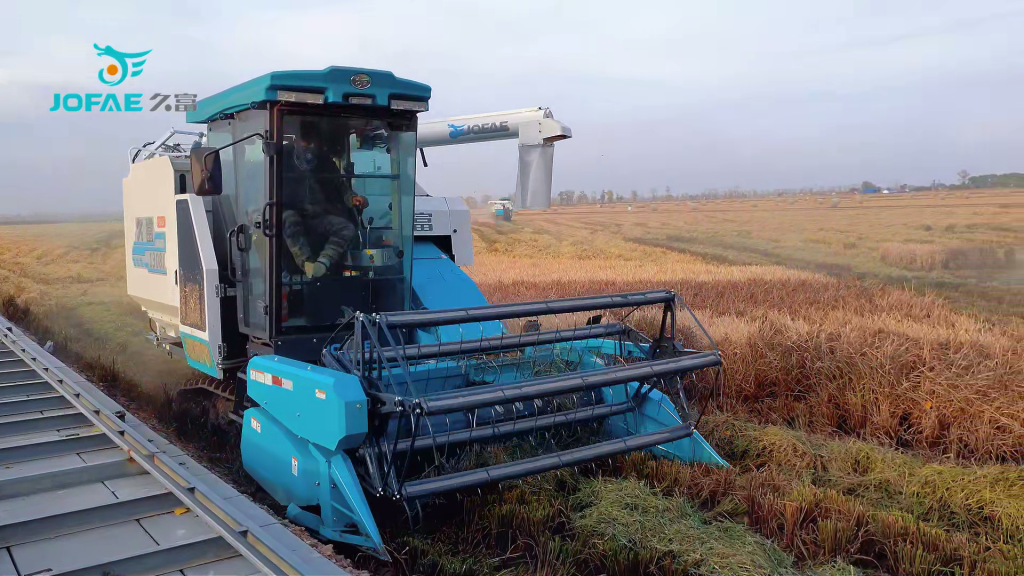
Learning how to operate a combine harvester is one of the most valuable skills any farmer or agricultural worker can acquire. A combine harvester is arguably the most complex piece of machinery on a modern farm—capable of cutting, threshing, separating, cleaning, and collecting grain in a single pass through the field. While the machine may seem intimidating at first, understanding the fundamentals of how to operate a combine harvester will transform your harvesting efficiency and reduce crop losses during the critical harvest season.
This comprehensive guide will walk you through everything you need to know—from initial setup to daily operation, essential skills, and safety practices. Whether you are a complete beginner or looking to refine your technique, this guide will help you master how to operate a combine harvester with confidence.
Understanding How a Combine Harvester Operates
Before diving into the practical steps of how to operate a combine harvester, it helps to understand what happens inside the machine. A combine harvester (often simply called a “combine”) integrates three separate harvesting operations into one continuous process:
1. Cutting (Reaping)
The header at the front of the machine cuts the crop near the ground and feeds it into the combine. Different headers are used for different crops—grain platforms for wheat and soybeans, corn heads for maize.
2. Threshing
The crop material enters the threshing mechanism, where rotating drums or rotors work against concave grates to separate the grain kernels from the plant heads.
3. Separation
Shakers or rotary separators move the threshed material, allowing grain to fall through while straw and larger plant material are carried toward the back.
4. Cleaning
A fan blows air through sieves to remove chaff and light debris, while the sieves shake to allow clean grain to drop into the grain tank.
5. Collection
Clean grain is augered into the on-board grain tank. When full, the grain is unloaded via an auger into a truck or grain cart. Straw is either chopped and spread behind the machine or dropped in a windrow for baling.
Understanding this workflow is the foundation of learning how to operate a combine harvester effectively—because every adjustment you make affects one or more of these stages.
How to Set Up a Combine Harvester Before Operation
Proper preparation is the most critical step in learning how to set up a combine harvester for a successful harvest. A combine that is correctly set up for the specific crop and field conditions will operate more efficiently, lose less grain, and experience fewer breakdowns.
1. Consult the Operator‘s Manual
Every combine model has unique settings and adjustments. Even experienced operators should review the manual before each season. The manual contains specific recommendations for different crops, moisture levels, and field conditions.
2. Thoroughly Clean the Machine
Before the first field pass, give the combine a complete clean-down. Use compressed air, brushes, and an industrial vacuum to remove straw, chaff, soil, and dust from all areas. Pay special attention to:
- Cutting components and augers
- Threshing and separation areas
- Cleaning sieves and fan
- Grain tank and unloading auger
Running the machine briefly with elevator and auger covers open can help clear residual material—but always ensure no tools or people are in the vicinity before starting.
3. Adjust for Crop Type and Conditions
Different crops require different combine settings. The machine must be adjusted for the specific crop being harvested and the current field conditions. Key adjustments include:
- Concave clearance: Tighter for small grains, wider for corn
- Rotor/cylinder speed: Faster for hard-to-thresh crops
- Fan speed: Higher for lighter material
- Sieve openings: Set just wide enough to allow grain to pass without letting material other than grain (MOG) into the bin
4. Inspect All Critical Components
A systematic pre-season inspection should cover:
- Header: Knives, reel, auger, and drive mechanisms
- Feeder house: Chains, slats, and drive components
- Threshing system: Rotor/cylinder, concave bars, and grates
- Cleaning system: Fan, chaffer sieve, and lower sieve
- Grain handling: Grain tank, cross augers, and unloading auger
- Engine, transmission, and hydraulic systems
5. Calibrate and Test
Modern combines are equipped with sensors and electronic controls. Calibrate yield monitors, moisture sensors, and any automated adjustment systems before entering the field. A test pass of 50-100 meters allows you to check settings and make fine-tuning adjustments before full-scale harvesting begins.
Learning how to set up a combine harvester properly is the difference between a smooth harvest and a season of constant troubleshooting.
How to Use a Combine Harvester: Step-by-Step Operating Procedure
Now we come to the heart of the matter: the actual step-by-step process of how to use a combine harvester. Following a consistent procedure every time you enter the field will ensure safe, efficient operation.
Step 1: Pre-Start Inspection
Before starting the engine:
- Verify all guards and shields are in position and correctly fitted
- Check that no tools, parts, or people are near moving components
- Walk the field to identify and remove obstacles (rocks, fence posts, irrigation equipment)
- Identify low spots, wet areas, and field boundaries
Step 2: Start the Engine
- Enter the cab and fasten the seatbelt
- Place all controls in neutral
- Start the engine and allow it to warm up at low idle
- Move the road safety switch from “road” to “field” position
Step 3: Engage the Separator and Header
- With the engine at low idle, engage the separator (threshing mechanism)
- Next, engage the header drive
- Allow the separator to come up to operating speed before proceeding
Step 4: Set Engine to Full RPM
- Increase the engine throttle to maximum rated RPM
- Critical: The engine must remain at full RPM during harvesting to keep the separator operating at optimal speed
Step 5: Begin Harvesting
- Engage the transmission and select an appropriate ground speed
- Lower the header to the correct cutting height
- Enter the crop slowly, gradually increasing ground speed as the machine fills with material
Step 6: Adjust Ground Speed
- Use a ground speed that will not overload the combine
- If the machine is struggling (engine lugging, separator plugging, or excessive losses), reduce ground speed
- In heavy or wet crops, slow down; in light or dry crops, you can increase speed
Step 7: Turning at Field Corners
- When reaching the end of the row, use the reverse clutch when turning at corners to prevent crop lodging and minimize grain loss
- Raise the header before turning
- Make gradual, smooth turns to avoid stressing the machine
- Manually harvest the corners of the field and rows near dikes using a sickle to prevent lodging and grain loss before machine harvesting begins
Step 8: Monitor Performance
Continuously monitor:
- Grain loss at the rear of the machine
- Grain quality in the grain tank (check for cracked kernels and foreign material)
- Engine temperature and gauges
- Warning lights and alarms
Step 9: Unload the Grain Tank
- When the grain tank is full, position a truck or grain cart alongside the combine
- Extend the unloading auger and begin unloading
- Keep the combine moving forward during unloading if possible to maintain efficiency
- Move grain to storage or drying facilities promptly to prevent spoilage
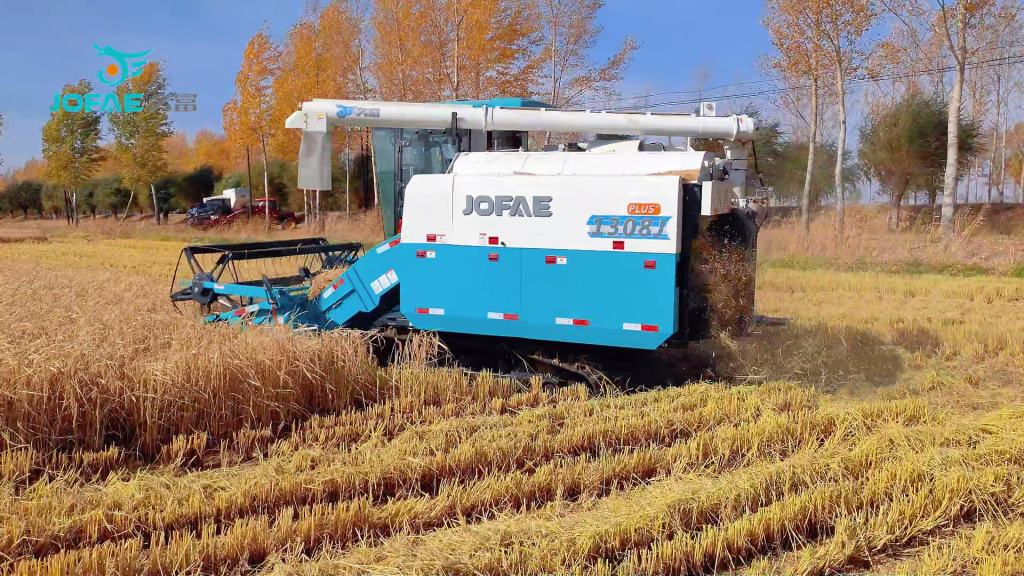
This systematic procedure for how to use a combine harvester will become second nature with practice. For operators seeking a reliable and efficient machine to practice these skills on, the JF100H Full-feed Combine Harvester offers an excellent platform with user-friendly controls and robust performance across multiple crop types.
Is It Hard to Operate a Combine Harvester?
One of the most common questions beginners ask is: “Is it hard to operate a combine?” The honest answer is that operating a combine harvester requires more skill and alertness than operating most other farm machinery—but it is absolutely learnable.
Why It’s Challenging
- Combines are among the most complex machines on a farm, integrating multiple mechanical, hydraulic, and electronic systems
- Operators must make continuous adjustments based on crop conditions, field terrain, and machine performance
- The work environment involves noise, vibration, dust, and long hours
- Harvest is a high-stakes season—delays or breakdowns can be costly
Why It’s Achievable
- Modern combines feature advanced automation, including auto-adjust settings, yield monitoring, and GPS guidance
- Training resources are widely available, from operator manuals to hands-on instruction
- Most operators develop proficiency within their first season
The Learning Curve
Beginners should expect a learning curve of several days to weeks of supervised operation. Start by:
- Spending time in the cab familiarizing yourself with all controls
- Making practice passes in an open field before full-scale harvesting
- Working alongside an experienced operator
- Reviewing the operator‘s manual daily
The short answer to “is it hard to operate a combine?” is: not with proper training and preparation. The machine is complex, but the operating principles are logical and systematic.
What Skills Are Needed to Operate a Combine Harvester?
Mastering how to operate a combine harvester requires a combination of technical knowledge, practical skills, and personal attributes. Here are the essential skills needed:
1. Mechanical Aptitude
Understanding how the combine‘s systems work—engine, hydraulic, electrical, and mechanical—helps operators diagnose problems and make informed adjustments.
2. Problem-Solving Ability
Harvest rarely goes perfectly. Operators must quickly identify issues (grain loss, plugging, poor cleaning) and implement solutions without stopping production.
3. Attention to Detail
Small adjustments in concave clearance, fan speed, or sieve openings can significantly impact grain quality and losses. Successful operators monitor multiple parameters simultaneously.
4. Physical Stamina and Endurance
Harvest days are long—often 12 to 16 hours. Operators must remain alert and focused despite fatigue, noise, and vibration.
5. Safety Awareness
Operating heavy machinery in the field requires constant vigilance. Operators must follow safety protocols, watch for obstacles, and be aware of other workers and equipment.
6. Basic Maintenance Skills
Operators should be able to perform daily maintenance: lubricating, cleaning, changing filters, and making minor adjustments and repairs.
7. Communication Skills
Harvest is a team effort. Operators coordinate with grain cart drivers, truckers, and farm managers. Clear communication prevents accidents and keeps the operation flowing.
8. Decision-Making Under Pressure
When something goes wrong—and it will—operators must make quick, correct decisions. This includes knowing when to stop, when to adjust, and when to call for help.
9. Adaptability
Crop conditions change throughout the day and across the season. Moisture content, crop density, and field terrain all require adjustments to machine settings and operating technique.
Developing these skills takes time, but each season builds experience and confidence. The JF100H Full-feed Combine Harvester is designed with operator comfort and ease of use in mind, making it an ideal machine for both learning and professional operation.
Essential Tips for Efficient Combine Harvester Operation
Beyond the basic procedure of how to use combine harvester, here are proven tips to maximize efficiency and minimize losses:
Tip 1: Adjust Settings for Each Field
Don‘t assume that settings from one field will work in another. Crop variety, moisture content, yield level, and weed pressure all vary. Take time to adjust at the start of each field.
Tip 2: Keep the Engine at Full RPM
This cannot be overstated. The separator must run at full speed to effectively thresh and separate grain. Reducing engine speed saves fuel but costs grain.
Tip 3: Match Ground Speed to Crop Conditions
A ground speed that overloads the combine will cause grain loss and potential breakdowns. In heavy crops, slow down. In light crops, you can increase speed.
Tip 4: Cut as High as Practical
When using a cutting platform, cut the crop as high as possible without losing low heads. This reduces the amount of straw entering the machine, improving efficiency and reducing power consumption.
Tip 5: Use Maximum Air Without Blowing Grain
Set the fan to use as much air as possible without blowing clean grain over the sieves. This maximizes cleaning efficiency while keeping grain in the tank.
Tip 6: Keep the Header Full
Operating with a partially filled header causes uneven feeding and reduces efficiency. Adjust ground speed and header height to maintain a consistent, full feed.
Tip 7: Monitor Losses Constantly
Check behind the combine periodically for loose grain on the ground. A few kernels per square foot are normal; more than that indicates a problem that needs correction.
Tip 8: Stay Ahead of Breakdowns
Daily maintenance—greasing, cleaning, belt tension checks—prevents most field breakdowns. A few minutes of maintenance each day saves hours of repair time during harvest.
Safety First: Operating a Combine Harvester Responsibly
Safety must be the top priority when learning how to operate a combine harvester. These machines are powerful and unforgiving. Follow these essential safety practices:
Before Operation
- Read and understand the operator‘s manual
- Ensure all guards and shields are in place
- Check that all safety decals are legible
- Walk the field to identify hazards
During Operation
- Never carry passengers unless seated in a designated passenger seat
- Do not mount or dismount the machine while it is moving
- Keep hands, feet, and clothing away from moving parts
- Use hand signals or two-way radios to communicate with ground crews
- Watch for overhead power lines and low-hanging branches
- On slopes, avoid sharp turns and operate at reduced speed
Stopping and Maintenance
- Never attempt to clear blockages or perform maintenance with the engine running
- Always shut off the engine and remove the key before working on the machine
- Allow moving parts to come to a complete stop before approaching
- When refueling, allow the engine to cool for 8-10 minutes before opening the fuel cap
Fire Prevention
- Keep the machine clean—built-up chaff and straw are fire hazards
- Check for fuel and oil leaks daily
- Carry a fire extinguisher and know how to use it
- Be especially cautious during dry, windy conditions
A safe operator is an effective operator. Prioritizing safety ensures that you—and everyone around you—return home safely at the end of each harvest day.
Conclusion
Learning how to operate a combine harvester is a journey that combines technical knowledge, practical experience, and continuous improvement. From understanding how the machine works to mastering the step-by-step operating procedure, from developing essential skills to prioritizing safety, every aspect of operation contributes to a successful harvest.
We‘ve covered:
- How a combine harvester operates—the five-stage process of cutting, threshing, separating, cleaning, and collecting
- How to set up a combine harvester—the critical preparation steps before entering the field
- How to use a combine harvester—the detailed nine-step operating procedure
- Whether it is hard to operate a combine—and why it‘s an achievable skill
- What skills are needed to operate a combine—the nine essential competencies
- Practical tips for efficient operation and, most importantly, safety practices
Remember: every expert operator was once a beginner. Start with thorough preparation, follow the procedures consistently, and never stop learning. With practice, how to operate a combine harvester will become second nature—and you‘ll be well on your way to a productive, profitable harvest season.
For farmers and operators looking for a reliable, efficient machine to put these skills into practice, the JF100H Full-feed Combine Harvester delivers the performance and ease of operation needed for modern agricultural success.