
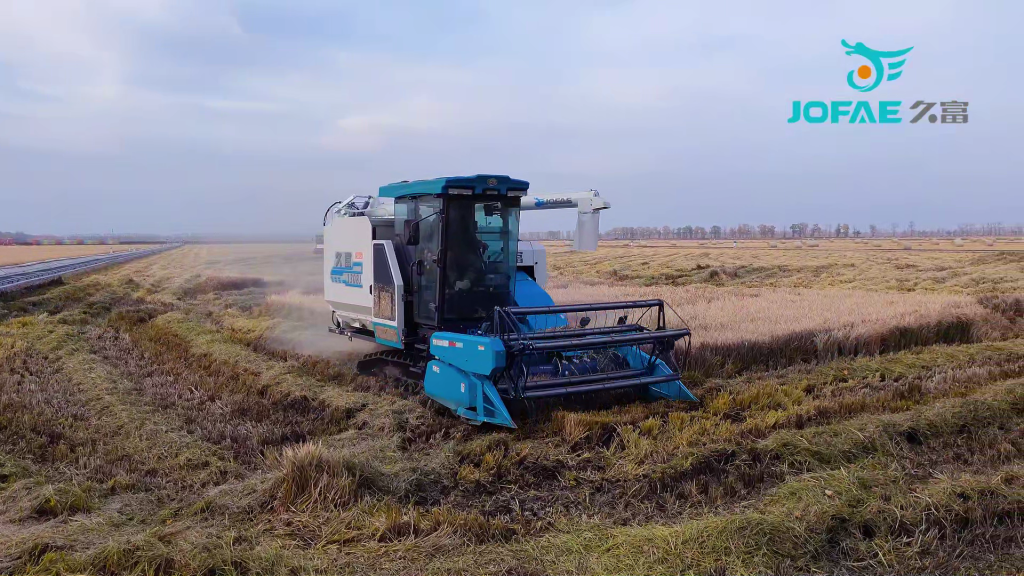
If you have ever seen a massive machine rolling through a golden wheat field, effortlessly swallowing crops and spitting out clean grain, you might have paused to ask yourself: why is a combine harvester called a combine? It is a question that puzzles many who are new to agriculture, yet the answer is surprisingly straightforward and deeply rooted in the machine’s revolutionary design.
The short answer is that this machine “combines” three separate harvesting operations into one single, seamless process. But to fully appreciate the name, we need to look back at agricultural history, understand the mechanics involved, and explore how this innovation forever changed farming. This article will break down the origins, the working principles, and the key differences between a combine and a standard harvester, finally answering the question: why is a combine harvester called a combine?
The Simple Answer: It “Combines” Multiple Operations
To directly answer why is it called a combine harvester, one must first understand the traditional harvesting process. Before the invention of this machine, farmers had to perform three back-breaking tasks separately:
- Reaping (Cutting): The process of cutting the mature crop stalks in the field.
- Threshing (Separation): Beating the cut crop to separate the edible grain from the stalk and the seed head.
- Winnowing (Cleaning): Tossing the threshed material into the air so the wind would blow away the lighter chaff, leaving only the clean grain.
Historically, these tasks required different tools, significant manual labor, and a considerable amount of time. The genius of the machine we now call the combine was that it performed all three of these tasks simultaneously. Because it “combined” reaping, threshing, and winnowing, early farmers and inventors naturally began calling it a “combined harvester-thresher.” Over time, this lengthy title was shortened for convenience. So, when you ask, why is a combine harvester called a combine, the answer lies in its fundamental ability to consolidate these distinct jobs into one efficient pass through the field.
A Brief History: From “Combination Harvester-Thresher” to “Combine”
The journey to the modern combine harvester is a story of American and Australian ingenuity. The earliest known practical version was built in the United States, specifically in Michigan, in the 1830s. Hiram Moore constructed the first successful machine that could cut and thresh grain in a single operation. He called it a “Combination Harvester-Thresher.” This clunky name accurately described what the machine did, but it was a mouthful for the average farmer to say.
By the late 19th century, as the machines became more commercially viable, the name began to compress. Farmers and manufacturers started using the term “combined harvester.” Eventually, the word “combined” naturally evolved into the noun “combine.” Interestingly, this naming evolution also reflects how the machine changed farming. The word “combine” itself comes from the Latin word combinare, meaning “to unite or join together.” By the early 20th century, the term “combine” had firmly entered the agricultural lexicon. So, historically speaking, why is a combine harvester called a combine? Because it was the economical shortening of a longer, highly descriptive name that highlighted its unique ability to merge multiple steps.
How Does a Combine Actually Work?
To truly grasp the reasoning behind the name, it helps to understand the internal workflow of the machine. While modern technology has added complex electronics and adjustments, the fundamental sequence has remained the same for over a century.
When the driver moves forward, the header at the front cuts the crop and feeds it into the machine. A rotating cylinder, known as the threshing drum, beats the crop to separate the grain from the stalks. Then, a system of straw walkers and sieves shakes the material while a powerful fan blows air through it. The heavy, clean grain falls through the sieves into the grain tank, while the lightweight chaff is blown out the back, and the straw is either chopped or laid in windrows.
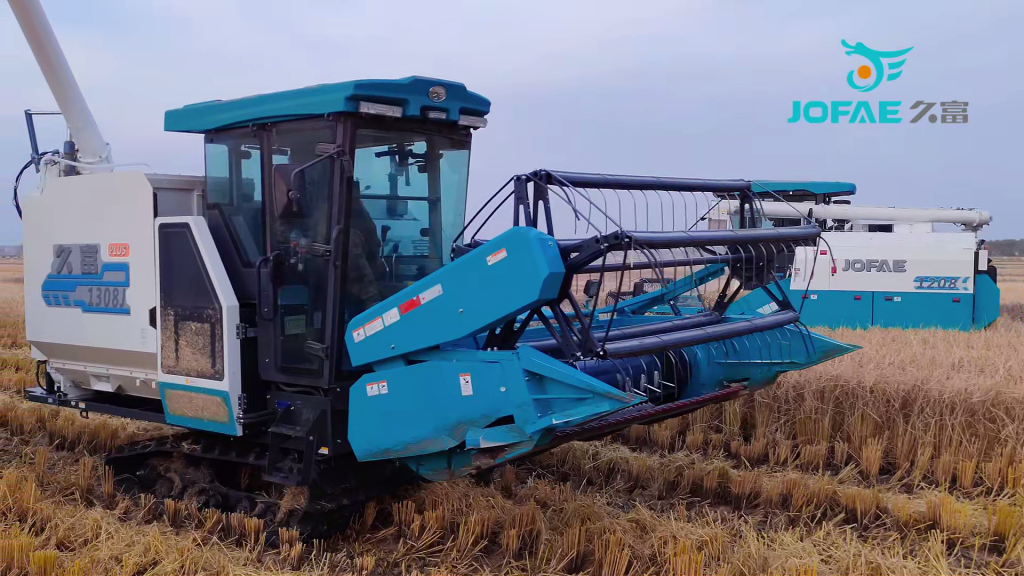
This entire flow—cut, beat, separate, and clean—happens within seconds of the crop touching the machine. This process is the very essence of the name; why is a combine harvester called a combine becomes visually obvious when you see the massive swath of straw thrown out the back while the grain tank slowly fills with pristine kernels. Modern machines, such as the JF100G Full-feed Combine Harvester, represent the pinnacle of this engineering philosophy, combining immense power with precision to ensure that the merging of these processes happens without a single grain of loss.
What’s the Difference Between a Combine and a Harvester?
A common area of confusion lies in the difference between a combine and a harvester. Many people use the terms interchangeably, but they are not exactly the same thing. Understanding this distinction also reinforces why is a combine harvester called a combine as a specific type of machinery.
- Harvester: This is a very broad, general term. A “harvester” is any piece of equipment designed to gather a mature crop from the field. This can range from a simple hand scythe to a tractor-pulled mower. Even the modern cotton picker or sugarcane grabber falls under the general umbrella of a “harvester.”
- Combine (Combine Harvester): This is a specific type of harvester. It is defined by its ability to not only harvest (cut) the crop but also thresh and clean it in that same pass.
In short, all combines are harvesters, but not all harvesters are combines. A standard harvester might simply cut the crop and drop it onto the ground, requiring a separate machine to pick it up and thresh it later. A combine does it all. So, when you are asking the difference between a combine and a harvester, the distinction lies entirely in the complexity and the “combined” functionality of the latter.
Why Is the Combine Harvester Considered Multipurpose Machinery?
Beyond just combining the three main functions, the modern combine has earned a reputation as incredibly versatile, or “multipurpose.” When someone wonders why combine harvester is multipurpose machinery, they are often looking at the wide variety of crops it can handle.
A single combine can harvest wheat, barley, oats, rice, corn (maize), soybeans, sunflowers, and canola. This versatility is achieved through interchangeable headers. By swapping out the front attachment—for example, using a grain platform for wheat or a corn head for maize—the same basic machine can adapt to different crop types and conditions. It doesn’t just combine the processes; it combines the ability to work across a broad spectrum of agricultural products. This adaptability makes it one of the most valuable investments on a farm, proving that the name “combine” truly captures the machine’s essence as a unified system designed to handle multiple agricultural challenges simultaneously.
The Legacy of the Name
In conclusion, the name “combine” is not a random brand name or a marketing gimmick. It is a functional, historical, and highly descriptive title that has stood the test of time. The ultimate answer to why is a combine harvester called a combine is that it brought together the three arduous steps of grain production—cutting, threshing, and cleaning—into one beautiful, efficient workflow.
It is a name that pays tribute to the innovation that helped feed a rapidly growing world. It is a name that distinguishes this complex machine from the simpler implements that came before it. Ultimately, the combine harvester is called a “combine” because it takes a fragmented, labor-intensive process and combines it into the cornerstone of modern agriculture. The next time you see one working in a field, you will know that its name is the simplest and most accurate description of what it actually does for a living.