
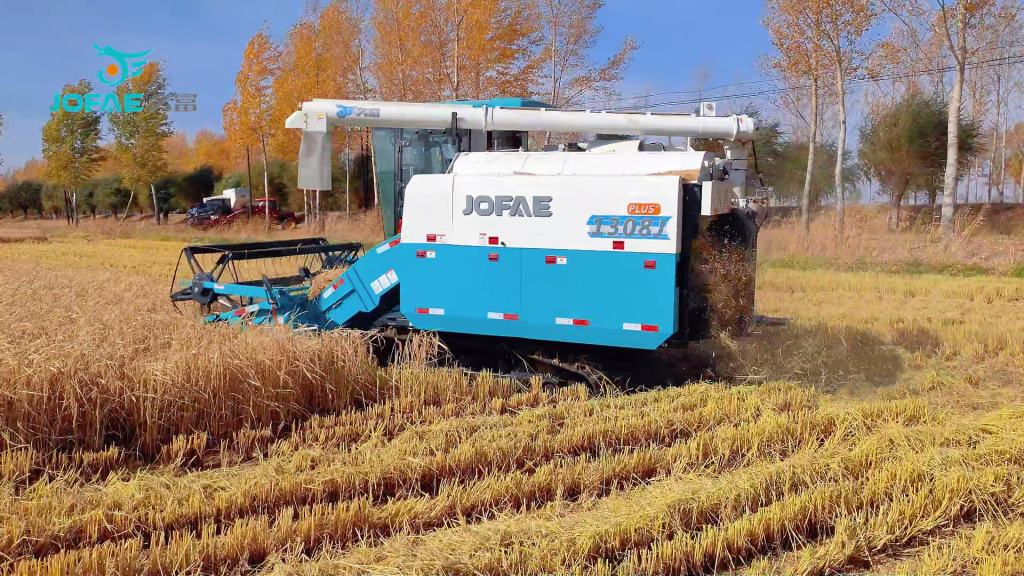
For generations, farmers around the world have faced the same three challenges when harvest season arrives: not enough hands to get the work done, not enough time before the weather turns, and too much grain left behind in the field. Why is the combine harvester important for a farmer? The answer lies in how this single machine transformed each of those challenges into manageable tasks.
A combine harvester is a machine that performs reaping, threshing, and winnowing in a single process. It is widely regarded as one of the most economically important labor-saving inventions in agricultural history. Before mechanization, farmers cut, bound, threshed, winnowed, and collected grain by hand — a slow, labor-heavy process with high grain loss. Today, a combine harvester drives directly into the field and produces clean, ready-to-store grain with minimal manual intervention.
Below are seven compelling reasons why is the combine harvester important for a farmer in today’s agricultural landscape.
1. Solving the Labor Shortage Crisis
The most immediate answer to why is the combine harvester important for a farmer is labor savings. Rural labor has been steadily moving to cities for decades, leaving farms with fewer workers during the most critical time of the year.
A combine harvester replaces dozens — sometimes hundreds — of manual workers. What once required a large crew of people cutting, gathering, threshing, and cleaning can now be accomplished by one person operating a single machine. For a farmer struggling to find seasonal help, the combine harvester is not a luxury — it is a necessity.
Studies have shown that combine harvesters can save up to 75% of the labor required for harvest operations. This is particularly important for field crops like wheat, where labor costs and availability are ongoing concerns. Why is the combine harvester important for a farmer in this context? Because without it, many farms simply could not bring in their crops on time.
2. Speed and Timeliness — Protecting the Harvest Window
Harvest season is a race against time. Crops must be gathered at peak maturity, and weather can turn a promising yield into a total loss within days. Rain, wind, and even early frost can destroy crops left standing in the field.
A combine harvester can cover large acreage in a fraction of the time required by manual methods. Large modern combines can harvest dozens to over a hundred acres per day. This speed allows farmers to complete harvest before adverse weather strikes, protecting both the quantity and quality of their grain.
This is another reason why is the combine harvester important for a farmer — it transforms harvest from a prolonged, anxious process into a swift, controlled operation. The faster the crop is in the bin, the less risk of loss from weather, pests, or lodging.
3. Reducing Grain Loss — Every Kernel Counts
One of the most overlooked answers to why is the combine harvester important for a farmer is grain loss reduction. In traditional harvesting methods, a significant percentage of the crop is left behind — either scattered in the field, damaged during threshing, or lost through poor separation.
Modern combine harvesters are engineered to recover as much clean grain as possible. They use precise threshing mechanisms, sieves, rotors, and cleaning systems to separate grain from straw and chaff with impressive accuracy. The result is less waste and more marketable grain from every acre.
For a farmer operating on thin margins, every kernel counts. Reducing harvest losses by even a small percentage can significantly impact overall profitability. Why is the combine harvester important for a farmer? Because it ensures that the hard work put into growing the crop is rewarded with maximum recovery at harvest time.
4. Economic Benefits — Lower Costs, Higher Returns
While the initial investment in a combine harvester can be substantial, the long-term economic benefits are undeniable. The machine reduces labor costs, cuts transportation requirements, and minimizes post-harvest processing expenses.
One of the most direct answers to why is the combine harvester important for a farmer is profitability. By combining three major operations — cutting, threshing, and cleaning — into one pass, the combine eliminates the need for multiple machines and multiple passes over the same field. This saves fuel, reduces soil compaction, and lowers equipment maintenance costs.
For farms of all sizes, the combine harvester represents a strategic investment in long-term financial sustainability. The global combine harvester market continues to grow, reflecting the enduring value farmers place on this essential equipment.
5. Versatility — One Machine, Multiple Crops
Modern combine harvesters are not limited to a single crop. They can be used for wheat, barley, oats, rice, corn, soybeans, rapeseed, sunflower, sorghum, and many other grains and oilseeds.
This versatility is a key part of why is the combine harvester important for a farmer who grows multiple crops or rotates fields seasonally. By changing the header attachment and adjusting machine settings, the same combine can harvest different crops throughout the year. This maximizes the return on investment and makes the machine a year-round asset rather than a seasonal tool.
Full-feed combine harvesters, in particular, are known for their wide adaptability. They are the most common choice among large combine models because the entire crop stalk enters the threshing system, making them highly efficient across various crop types. For farmers seeking a reliable and versatile harvesting solution, the JF100G Full-feed Combine Harvester represents the kind of modern equipment that delivers both performance and adaptability across multiple crops and field conditions.
6. Grain Quality and Precision
Beyond simply gathering the crop, a combine harvester also preserves grain quality. The cleaning system uses fans and vibrating sieves to remove chaff, dust, and straw fragments, ensuring that the harvested grain is clean and ready for storage or sale.
This aspect of why is the combine harvester important for a farmer is often underappreciated. Clean grain commands a better price at market, stores more safely without spoilage, and requires less processing before it can be used. The precision of modern combines — with their adjustable sieves, rotor speeds, and fan settings — allows farmers to fine-tune the machine for each specific crop and field condition.
Many modern combines also incorporate GPS and sensor technology, enabling precision agriculture practices that further enhance efficiency and yield quality. The combine harvester has evolved from a simple mechanical device into a sophisticated piece of harvesting equipment that delivers data-driven insights alongside physical harvest.
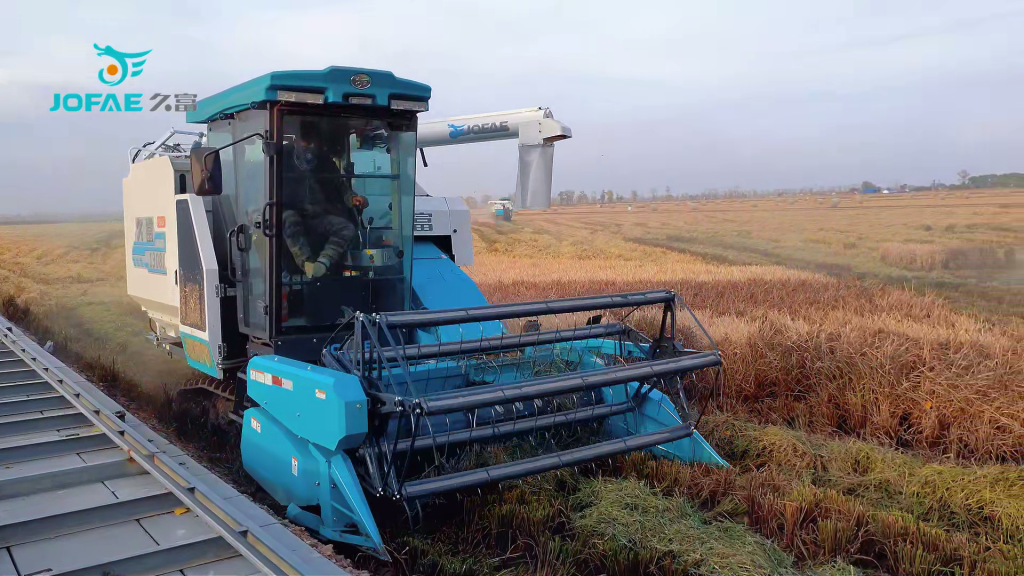
7. Global Food Security — Beyond the Individual Farm
By enabling large-scale, efficient grain production, combine harvesters help stabilize food prices, reduce post-harvest losses, and ensure that more of what is grown actually reaches consumers. In regions where labor shortages are acute, the combine harvester makes it possible to expand production and improve food security.
For farmers, this means being part of a solution that is larger than any single harvest. The combine harvester empowers farmers to produce more food with fewer resources — a goal that benefits everyone.
Conclusion
Why is the combine harvester important for a farmer? The answer is multi-faceted. It saves labor when workers are scarce. It speeds up harvest when time is short. It reduces grain loss when every kernel matters. It lowers costs and boosts profitability. It adapts to multiple crops. It preserves grain quality. And it contributes to global food security.
The combine harvester is not just a machine — it is the backbone of modern grain farming. For any farmer looking to remain competitive, sustainable, and productive in today’s agricultural environment, the combine harvester is not an option. It is an essential partner in the field, season after season.