
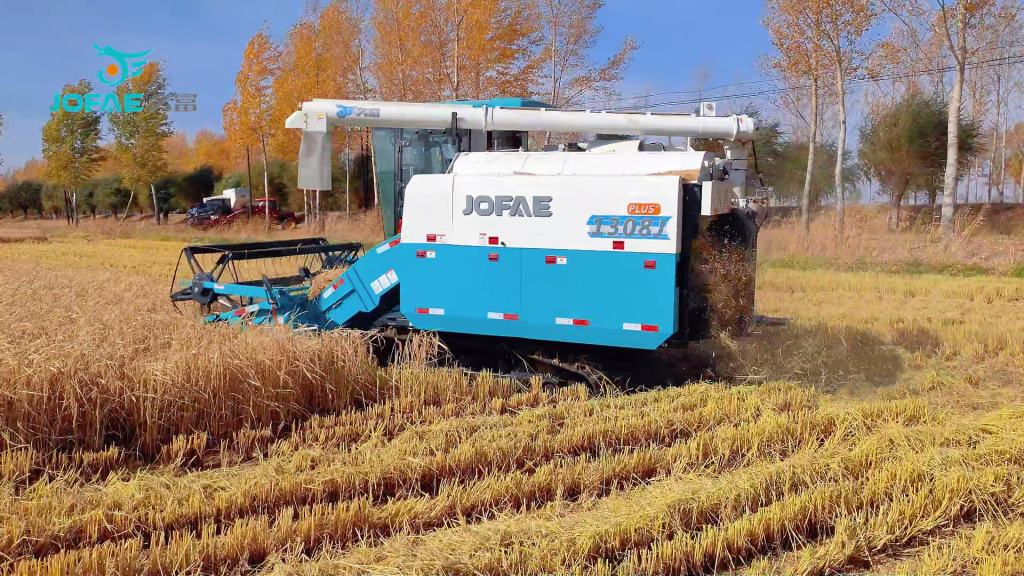
Imagine harvesting an entire wheat field by hand—cutting each stalk with a sickle, gathering the bundles, and then separating the grain from the chaff. It was backbreaking, time-consuming work that took days or even weeks for a single field. Today, modern agriculture has transformed this process entirely through mechanization.
So, what is a harvester? In simple terms, a harvester is a machine—or in some contexts, a person—that gathers mature crops from the field. When we talk about agricultural machinery, a harvester refers to any mechanical equipment designed to cut, gather, and often collect crops such as wheat, corn, rice, and vegetables. The term can also refer to a person who cuts, picks, or gathers crops.
This guide will walk you through everything you need to know about harvesters: what they do, the different types available, how they work, and—most importantly—the key difference between harvester and combine machines.
What is the Role of a Harvester?
The primary role of a harvester is to remove ripened or mature crops from the field efficiently and with minimal loss. But its significance goes far beyond simply cutting plants.
Saving Time and Labor
Manual harvesting is labor-intensive and slow. Harvesters dramatically reduce the time required to bring in a crop. What once took dozens of workers days to complete can now be done by a single machine in hours. This efficiency is particularly critical during harvest season when weather windows are narrow and crops must be gathered at peak ripeness.
Reducing Labor Costs
Labor costs during harvest season can be exorbitant, especially in regions that rely on seasonal migrant workers. Harvesters significantly reduce the number of workers needed, slashing labor expenses.
Minimizing Crop Loss and Damage
Traditional manual harvesting can result in crops being neglected, crushed, or left behind. Modern harvesters are carefully engineered to handle crops delicately while ensuring thorough collection. This means less waste and higher-quality yields.
Boosting Productivity and Profitability
By increasing harvesting speed and reducing losses, harvesters directly contribute to higher farming productivity and profitability. Farmers can harvest more acres in less time, bringing their crops to market faster and with better quality.
What is a Harvester? Types and Working Explained
“Harvester” is a broad umbrella term that covers many different machines designed for specific crops and harvesting conditions. The design and function of harvesters vary widely according to the crop being harvested. Here are some of the most common types:
Combine Harvester
The most well-known and complex type of harvester, the combine, performs multiple harvesting operations in a single pass. We’ll explore this in detail in the next section.
Corn Harvester (Maize Harvester)
A corn harvester is specifically designed to harvest corn (maize). These machines typically feature specialized snapping units that remove the ears from the stalks while leaving the rest of the plant in the field. Some models can harvest six or more rows in a single pass. Modern corn harvesters can also perform additional functions like cleaning, transporting tassels, and crushing straw for return to the field.
Cotton Harvester (Cotton Picker)
Cotton harvesters are specialized machines for picking cotton bolls. They come in two basic types: strippers and pickers. Picker machines, also called spindle-type harvesters, remove cotton from open bolls while leaving the bur on the plant, resulting in higher-quality cotton. Modern cotton pickers are self-propelled machines that can harvest up to six rows at a time.
Forage Harvester
A forage harvester—also known as a silage harvester or chopper—cuts and chops green forage crops like grass, corn, and legumes. The chopped material is used to produce silage for livestock feed. These machines include systems for gathering, metering, chopping, and conveying the crop into a wagon or truck.
Sugarcane Harvester
Sugarcane harvesters are designed specifically for sugarcane crops. They cut the cane, strip leaves and trash, and load the cleaned cane efficiently. Modern sugarcane harvesters can process crop in a single pass while reducing losses and protecting sugar content.
Potato Harvester
Potato harvesters dig potatoes from the ground and separate them from soil and debris. These machines are designed to minimize damage to the tubers during the harvesting process. Some advanced models can complete the entire process from digging to bagging.
Grape Harvester
Grape harvesters are used in vineyards to shake vines and dislodge grapes into collection bins. These machines travel down vineyard rows at speeds significantly faster than human pickers. Grape harvesters come in self-propelled and towed or tractor-mounted varieties.
Forestry Harvester
A forestry harvester is a heavy vehicle with a mechanical arm used for felling trees and maneuvering logs. These machines can perform multiple forestry tasks including felling, delimbing, and bucking in a single operation.
What’s a Combine Harvester?
Now let’s answer the question: what’s a combine harvester?
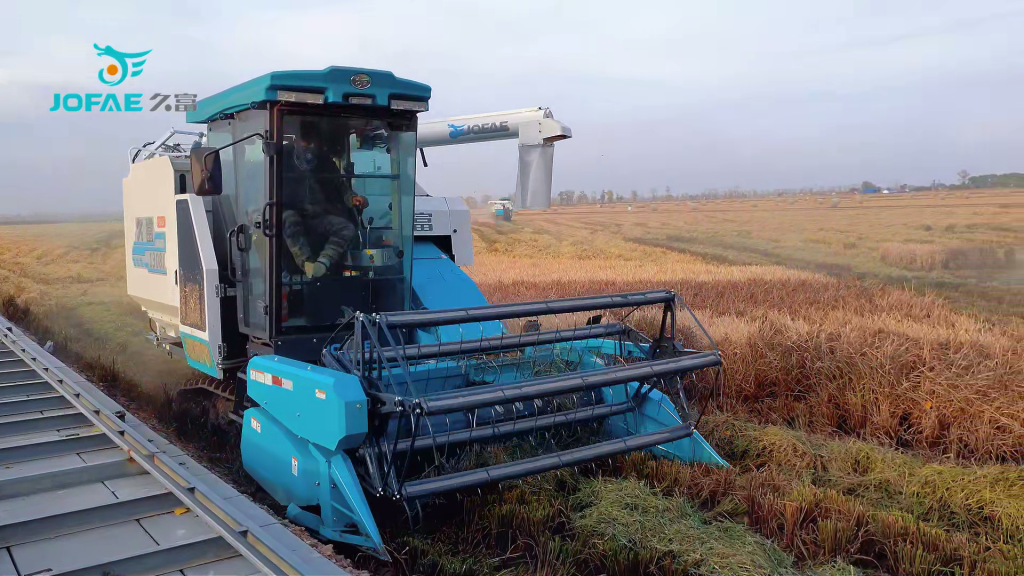
A combine harvester, often simply called a combine, is a highly advanced farm machine designed to harvest grain crops such as wheat, corn (maize), rice, barley, oats, soybeans, sunflower seeds, and rapeseed. It is one of the most economically important labor-saving inventions in agricultural history, significantly reducing the fraction of the population engaged in agriculture.
For an in-depth look at this remarkable machine, check out our detailed guide on the Combine Harvester.
Why is it Called a Combine?
The name of the machine is derived from the fact that the harvester combines multiple separate harvesting operations into a single, continuous process. Specifically, it combines three essential tasks:
- Reaping – Cutting and collecting the crops
- Threshing – Loosening and separating the grain from the dry casing around the seed
- Winnowing – Cleaning the grain by separating it from chaff and other debris
Some sources also describe the combine as combining four separate operations: reaping, threshing, separating, and cleaning. This integration of multiple functions into one machine is precisely why it earned the name “combine” around the start of the 20th century.
How Does a Combine Harvester Work?
Understanding how a combine works helps clarify why it’s such a revolutionary machine. The process can be broken down into several key stages:
Step 1: Cutting and Gathering (Reaping)
The process begins at the front of the machine with the header—the cutting and gathering component. The header features a rotating reel that pulls the crop toward a cutter bar. The cutter bar cuts the crop close to the ground. Once cut, the crop is moved by spinning augers toward the center of the machine and fed into the feeder house.
Step 2: Threshing
The cut crop enters the threshing mechanism, which consists of a threshing cylinder or rotor and a concave surface. The threshing cylinder rubs the grain out of the heads against the concave surface. This action separates the grain (the desired product) from the rest of the plant material (straw and chaff).
Step 3: Separation
After threshing, some grain and chaff move with the straw to the straw walkers or separation system. Here, the grain is shaken out from the remaining straw and delivered to the cleaning system. The straw drops out of the back of the combine, either in a windrow for baling or scattered over the ground.
Step 4: Cleaning (Winnowing)
The grain and chaff mixture moves to the cleaning shoe, where sieves and a blast of air work together. The airflow blows away the lighter chaff and debris while the sieves allow the clean grain to pass through.
Step 5: Grain Storage and Unloading
After passing through the cleaning system, the clean grain drops into a clean-grain auger that conveys it to an elevator and into a grain tank for temporary storage. When the grain tank is full, the operator uses an unloading tube to transfer the grain into a truck or wagon for transport.
What is the Difference Between Harvester and Combine?
This is one of the most common questions in agricultural machinery, and the answer is simpler than you might think.
The Core Distinction
The key difference between harvester and combine lies in the scope of the terms:
A harvester is a broad, general category. It refers to any machine used to harvest crops, regardless of whether it performs a single function or multiple functions. Think of “harvester” as the umbrella term—like the word “vehicle.” Every car is a vehicle, but not every vehicle is a car.
A combine harvester (or simply “combine”) is a specific type of harvester. It is the most advanced and versatile member of the harvester family because it combines multiple harvesting functions—reaping, threshing, and winnowing—into one integrated machine. Think of “combine” as one specific model within the broader category—like “sedan” within the category of “vehicle.”
The Simple Rule to Remember
- All combines are harvesters.
- Not all harvesters are combines.
A simple corn harvester that only cuts and collects corn ears is a harvester, but it is not a combine because it doesn’t perform threshing or winnowing. A fully functional combine that cuts, threshes, separates, and cleans grain in one pass is both a combine and a harvester.
A Practical Example
Imagine you have a machine that cuts wheat and lays it in rows (a swather or windrower). That machine is a harvester—it harvests the crop by cutting it. But it’s not a combine because it doesn’t thresh or clean the grain.
Now imagine a machine that drives through the same wheat field, cuts the wheat, separates the grain from the straw, cleans the grain, and stores it in an onboard tank—all in one continuous operation. That machine is a combine harvester. It’s a harvester because it harvests crops, and it’s a combine because it combines multiple operations into one.
Conclusion
To summarize, what is a harvester? A harvester is any machine—or person—that gathers mature crops from the field. In modern agriculture, the term encompasses everything from simple corn pickers to highly advanced forestry machines.
The role of a harvester is to save time, reduce labor costs, minimize crop loss, and boost overall farming productivity. Harvesters come in many types, including corn harvesters, cotton pickers, forage harvesters, sugarcane harvesters, potato harvesters, grape harvesters, and forestry harvesters.
The combine harvester stands out as the most sophisticated and versatile member of the harvester family. Its name comes from the fact that it combines reaping, threshing, and winnowing into a single process. Understanding the difference between harvester and combine is simple: all combines are harvesters, but not all harvesters are combines.
As agricultural technology continues to advance—with automation, precision farming, and smart sensors becoming increasingly common—harvesters will only become more efficient, more precise, and more essential to feeding a growing global population. Whether you’re a small-scale farmer or managing thousands of acres, understanding these machines is the first step toward smarter, more productive farming.