
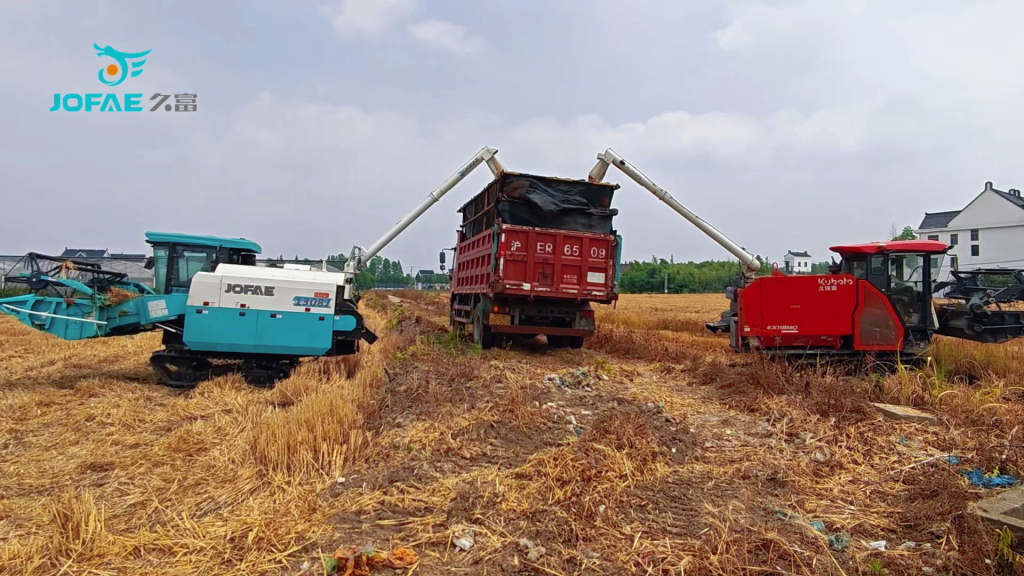
If you’ve ever watched a massive machine sweep across a golden wheat field, swallowing the crop and leaving clean stubble behind, you’ve seen a combine harvester in action. But what is a combine harvester exactly? At its simplest, it is a self‑propelled agricultural machine that performs three vital jobs—cutting, threshing, and cleaning—in one continuous pass. This single invention turned weeks of backbreaking manual labour into a few hours of efficient work, and it remains the backbone of modern grain farming. In this article, we’ll answer that core question in depth, then explore what it does, what crops it handles, how it differs from a plain harvester, why it got its unique name, and even how much one weighs. By the end, you’ll have a complete picture of this engineering marvel.
What Is a Combine Harvester?
A combine harvester is a machine designed to harvest grain crops by combining several harvesting operations into a single process. Specifically, it performs cutting (reaping), threshing, and cleaning (winnowing) all at once as it moves across the field. The name itself tells the story—this machine “combines” multiple tasks that were historically done by separate machines or by hand.
The modern combine harvester, or simply “combine,” is a self‑propelled agricultural machine that can harvest a wide variety of grain crops efficiently. What’s a combine harvester in practical terms? It’s the workhorse of modern farming that has transformed agriculture from labor‑intensive manual harvesting into a fast, mechanized operation.
The first primitive combine was a horse‑drawn “combination harvester‑thresher” introduced in Michigan in 1836. However, combines were not widely adopted until the 1930s, when tractor‑drawn models became available. Self‑propelled machines appeared a decade later. Today, what is a combine harvester has evolved into a highly sophisticated piece of equipment capable of harvesting thousands of acres in a single season.
What Does a Combine Harvester Do?
So, what does a combine harvester do? The answer lies in its three core operations:
1. Reaping (Cutting) – The header at the front of the machine cuts the crop and gathers it into the machine. The header can be swapped out for different crops—a grain header for wheat and barley, a corn header for maize, or a specialized header for soybeans and sunflowers.
2. Threshing (Separation) – Inside the machine, a threshing cylinder rotates within a perforated housing and rubs the grain out of the heads. This separates the grain kernels from the rest of the plant material—the stalks, leaves, and husks.
3. Winnowing (Cleaning) – The mixture of grain and chaff passes through sieves and a blast of air. The lighter chaff is blown away, while the clean grain drops into an auger that conveys it to a storage tank. The leftover straw drops out the back of the machine, either in a windrow for baling or scattered over the ground.
In short, what does a combine harvester do is take a standing crop and deliver clean grain ready for storage or transport—all in one pass across the field.
What Is a Combine Harvester Used For?
What is a combine harvester used for? The primary answer is harvesting grain crops—but the range of crops it can handle is surprisingly broad.
Grain crops harvested by combine harvesters include:
- Wheat
- Barley
- Corn (maize)
- Rice
- Oats
- Rye
- Sorghum
- Millet
Non‑grain crops also harvested:
- Soybeans
- Rapeseed (canola)
- Flax (linseed)
- Sunflower seeds
The strength of the combine harvester lies in its versatility. By simply changing the header at the front, the same machine can harvest wheat one week, soybeans the next, and corn after that. This makes it an economical choice for farms that grow multiple crops.
So when asking what is a combine harvester used for, the answer extends beyond just wheat and corn—it’s the go‑to machine for virtually any grain or seed crop grown on a commercial scale. Within this category, you’ll also find specialized variants such as the Full‑feed Combine Harvester, which processes the entire crop stalk through the threshing mechanism, offering high throughput for cereal crops.
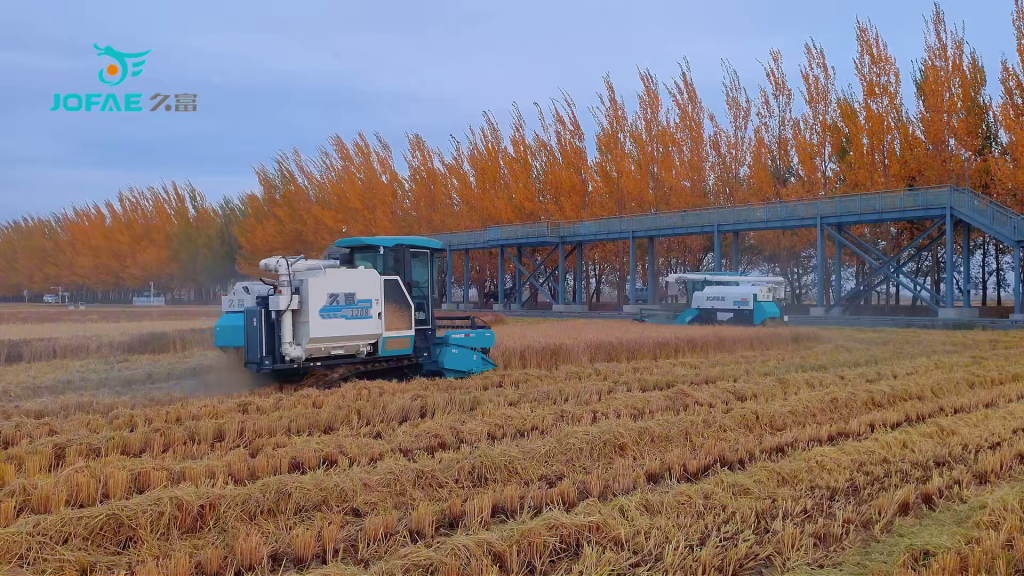
Combine vs. Harvester – What’s the Difference?
This is a common question: what’s the difference between a combine and a harvester? The distinction is actually quite straightforward.
Harvester is a broad, general term that refers to any machine used to harvest crops. This includes:
- Reapers – machines that only cut crops
- Threshers – machines that only separate grain from straw
- Pickers – machines for picking cotton or other crops
- Combine harvesters – machines that do everything
Combine harvester (or simply “combine”) is a specific type of harvester that combines multiple functions into one machine. While a basic harvester might only cut the crop, a combine harvester cuts, threshes, and cleans—all in a single operation.
To put it simply: all combine harvesters are harvesters, but not all harvesters are combine harvesters. A combine is the more advanced, versatile, and efficient option. When someone asks what’s the difference between a combine and a harvester, the key is that a combine does multiple jobs, while a harvester might only do one.
What is combine harvester in this context? It’s the all‑in‑one solution that has largely replaced single‑function harvesters on modern farms.
Why Do They Call It a Combine Harvester?
Why do they call it a combine harvester? The answer is in the name itself.
The machine is called a “combine” because it combines three separate harvesting operations—reaping, threshing, and winnowing—into a single process. Historically, these tasks were done separately:
- First, workers or machines would reap (cut) the crop
- Then, the cut crop would be taken to a thresher to separate grain from straw
- Finally, the grain would be winnowed (cleaned) to remove chaff
The combine harvester eliminated all these separate steps. Early models were called “combined harvester‑threshers” because they combined harvesting and threshing. Over time, the name was shortened to “combine harvester” and eventually just “combine.”
So why do they call it a combine harvester? Because it combines multiple jobs into one efficient machine—a name that perfectly captures its purpose and value.
How Much Does a Combine Harvester Weigh?
How much does a combine harvester weigh? The answer varies dramatically depending on the size, type, and configuration of the machine.
Small, compact combines:
- As light as 645 kg (approximately 1,422 lbs)
- These are typically smaller, crawler‑type machines designed for small farms or rice paddies
Medium‑sized combines:
- Typically range from 2,300 kg to 4,250 kg
- Common on mid‑size farms for wheat, rice, and corn
Large, commercial combines:
- Can weigh 9,150 kg or more
- Some of the largest models weigh over 20,000 kg (20.8 metric tons)
So when asking how much does a combine harvester weigh, the answer ranges from under 700 kg for small machines to over 20 metric tons for large commercial combines. Factors affecting weight include:
- Machine size and horsepower
- Wheel type (tires vs. tracks)
- Header type and size
- Brand and model
- Optional features and attachments
Conclusion
So, what is a combine harvester? It’s a remarkable piece of agricultural engineering that combines reaping, threshing, and cleaning into a single, efficient operation. From its humble beginnings as a horse‑drawn “combination harvester‑thresher” in the 1830s to today’s intelligent, hybrid‑powered machines weighing over 20 tons, the combine harvester has revolutionized farming.
Whether you’re harvesting wheat in the American Midwest, rice in Southeast Asia, or corn in South America, the combine harvester is the machine that makes modern large‑scale agriculture possible. It saves time, reduces labor costs, and delivers clean grain ready for market.
Next time you see one moving across a field, you’ll know exactly what is a combine harvester—and why it’s one of the most important machines ever invented for food production.