
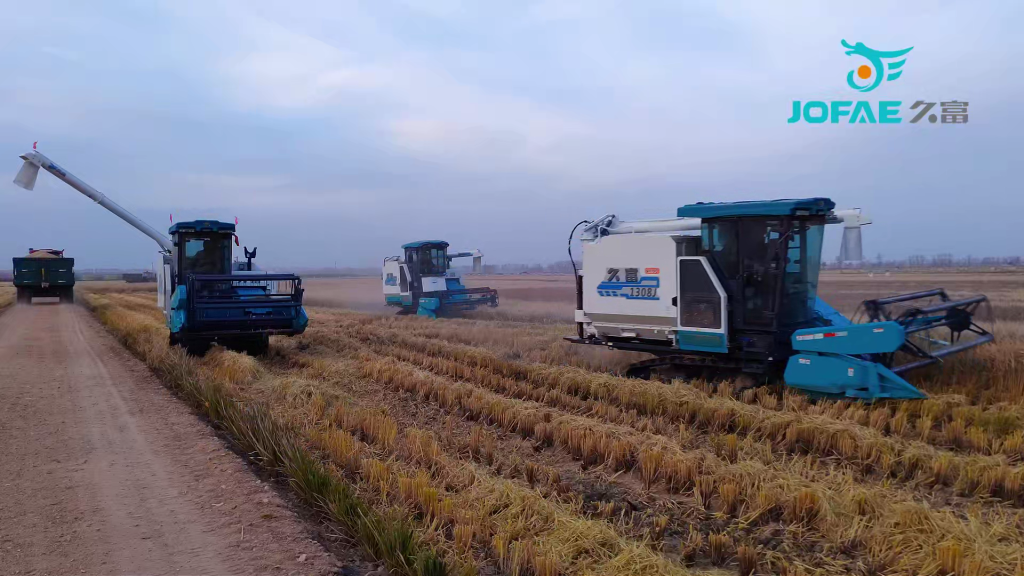
Can you drive a combine harvester on the road? The short answer is yes – but it comes with significant legal, licensing, and safety requirements. Combine harvesters are essential machines for modern agriculture, and moving them between fields, to maintenance facilities, or for seasonal harvest operations often requires traveling on public roads. However, operating these massive machines on roadways is not the same as driving a passenger car. This guide covers everything you need to know about legally and safely driving a combine harvester on public roads.
Is It Legally Allowed to Drive a Combine Harvester on the Road?
Just as motorists are allowed to drive their vehicles on public roadways, farmers are legally allowed to operate farm equipment on these same roads. A combine harvester is generally classified as a non‑transport motor vehicle, meaning its driving on the road is incidental to its main intended use in the fields and for traveling from one field to another.
However, this legal allowance comes with conditions:
- Combine harvesters must be properly registered with the relevant agricultural authority and display a license plate and registration certificate before being used on public roads.
- Operators must comply with all road traffic safety laws and regulations in their jurisdiction.
- It is prohibited to use a combine harvester to carry passengers on public roads.
- Vehicles must pass annual safety inspections – uninspected combines are not permitted on roads.
What License Do You Need to Drive a Combine Harvester on the Road?
Can you drive a combine harvester on the road with a regular driver‘s license? The answer varies by region, but in most places, you need a specific agricultural vehicle license.
General Licensing Requirements
In many jurisdictions, driving a combine harvester requires a dedicated agricultural machinery license, not a standard car license. Key requirements typically include:
- Age: Operators must usually be between 18 and 70 years old.
- Height: Minimum of about 150 cm (roughly 4’11“).
- Vision: Visual acuity must meet minimum standards (with or without correction).
- Color vision: No red‑green color blindness.
- Hearing: Must meet hearing standards.
- Medical fitness: No disqualifying conditions such as epilepsy or mental illness that affect safe driving.
License Categories
Licenses for combine harvesters are often divided into categories based on the machine type – for example, wheeled combines and tracked combines. Operators must hold a license that matches the specific type of combine they intend to drive. Driving a machine that does not match your license class is illegal.
General Regional Variations
- In some countries, a standard car license may be sufficient for smaller agricultural vehicles, but larger combines often require an additional endorsement.
- Many regions require operators to be at least 21 years old to drive larger machines on public roads.
- Always check with your local agricultural authority for the exact licensing requirements in your area.
Speed Limits for Combine Harvesters on the Road
When you drive a combine harvester on the road, speed is strictly regulated. These machines are not designed for highway speeds and typically travel much slower than regular traffic.
Common speed limits (based on typical regulations worldwide):
| Situation | Typical Speed Limit |
| General road travel | 15–25 mph (24–40 km/h) |
| When towing a trailer | 12–15 mph (20–25 km/h) |
| Wider machines (over 3.5 m) | Often limited to 12 mph (19 km/h) |
| Standard‑width machines | Often limited to 25 mph (40 km/h) |
Important: Most farm equipment is not designed to travel at highway speeds. Always follow the posted speed limits for agricultural vehicles in your region, as they may differ from passenger car limits.
Pre‑Road Safety Preparations
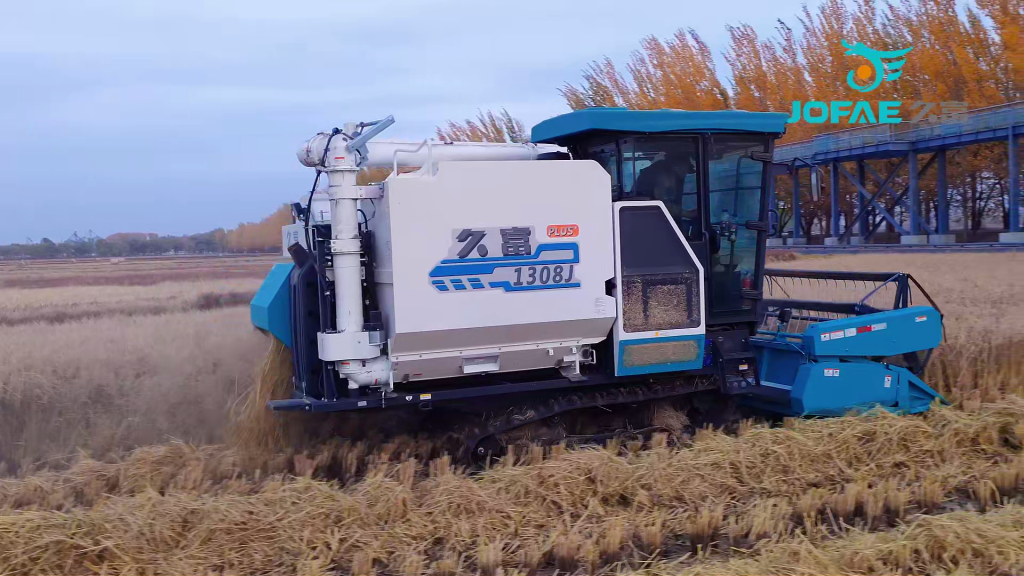
Before you ask ”can you drive a combine harvester on the road,“ you must ensure the machine is properly prepared. Proper preparation is critical for safety.
Vehicle Condition Checks
- Empty the grain tank – it is strictly prohibited to transport grain on public roads.
- Check lubricants, fuel, coolant, tire pressure, and all safety components.
- Ensure all safety systems (lights, reflectors, brakes) are in working order.
Equipment Adjustments
- Lock the left and right brake pedals together to ensure simultaneous braking.
- Raise the header to its highest position and lock it securely.
- Never drive on public roads with the straw chopper engaged or the straw distributor in the operating position.
Lighting and Visibility
- Install a Slow Moving Vehicle (SMV) emblem – it is required on every vehicle with a maximum speed potential of 25 mph (40 km/h) that operates on public highways.
- Keep the SMV emblem clean with the point of the triangle facing up; replace it every 2 to 3 years when it fades.
- Turn on your lights but turn off rear spotlights when entering the road – rear spotlights can be mistaken for headlights by approaching drivers.
- Clean light reflectors and replace any faulty lighting systems.
Personal Protective Equipment
- Wear appropriate PPE: helmet, gloves, safety glasses, work boots, and ear protection.
Road Safety Tips for Combine Operators
Understanding can you drive a combine harvester on the road is only half the equation – knowing how to do it safely is equally important.
For Combine Operators
- Adjust speed according to road and field conditions.
- Avoid sharp turns on slopes.
- When going up or down hills, drive in a straight line; never coast in neutral or with the clutch disengaged when descending.
- Avoid stopping on the road if possible; if you must stop, ensure proper hazard lighting is used.
- Avoid distractions such as mobile phone use while driving.
- In muddy conditions, clean tires and equipment to avoid leaving mud on the road.
- Transport the header separately from the combine when possible.
- Install mirrors on equipment to be aware of motorists around you.
- Drive defensively – pay extra attention to motorists in the rear‑view mirror.
- Use pilot vehicles (one in front and one behind) if traveling a long distance or on heavily traveled roads.
- Be aware that a vehicle traveling 65 mph (105 km/h) approaching a combine traveling 15 mph (24 km/h) will close the gap in less than 20 seconds.
For Other Motorists
- Be patient – farmers will pull off the road at the first safe location to let you pass.
- Do not pass on curves, hills, or in ”No Passing“ zones.
- Do not pass within 100 feet (30 m) of any intersection, railroad crossing, or bridge.
- Do not assume a farm vehicle that pulls to the right is letting you pass – it may be preparing for a wide left‑hand turn.
- Do not assume the farmer can see you – operators must spend most of their time looking ahead.
- Maintain a safe following distance.
General Regional Considerations
The precise answer to ”can you drive a combine harvester on the road“ can differ from one country or state to another. However, some common patterns exist:
- Width restrictions: Many places require special permits or advance notification if the combine exceeds a certain width (e.g., over 3 metres).
- Speed limitations: As noted above, most regions cap agricultural vehicle speeds at 15–25 mph, with lower limits for wider or towed machines.
- Lighting and signage: SMV emblems, amber beacons, and proper lighting are universally required.
- Insurance and tax: While many jurisdictions exempt agricultural vehicles from regular road tax, they still require basic insurance coverage for road use.
Always consult your local Department of Transportation or agricultural authority for the exact rules that apply to your machine and your planned route.
What About Towing a Combine Harvester?
You can also transport a combine harvester by towing it on a trailer or flatbed carrier. When towing:
- Do not exceed a maximum speed of 20–25 km/h (12–15 mph) depending on the model.
- Never tow a combine with a wire rope – always use a suitable towbar.
- Check local regulations regarding towing equipment on public roads, especially for wide loads.
- The combine harvester can be transported on a flatbed carrier or on a trailer specifically adapted for this purpose, duly marked as an excessively wide load.
Whether you are operating a traditional machine or a Full‑feed Combine Harvester, the road safety rules remain largely the same – proper preparation and caution are always essential.
Conclusion
So, can you drive a combine harvester on the road? Yes – but safely and legally only when you have the right license, valid registration, proper speed control, and thorough pre‑trip inspections. Empty the grain tank, secure the header, check all lights and reflectors, and always stay alert to surrounding traffic. A safe journey depends not just on your driving habits, but also on the reliability of the machine itself.
That is why choosing a well‑built combine harvester matters. At Jofae, we manufacture durable, high‑performance combine harvesters that help you get the job done – whether in the field or on the move. When you know your equipment is dependable, you can focus on what really matters: a safe and productive harvest.