
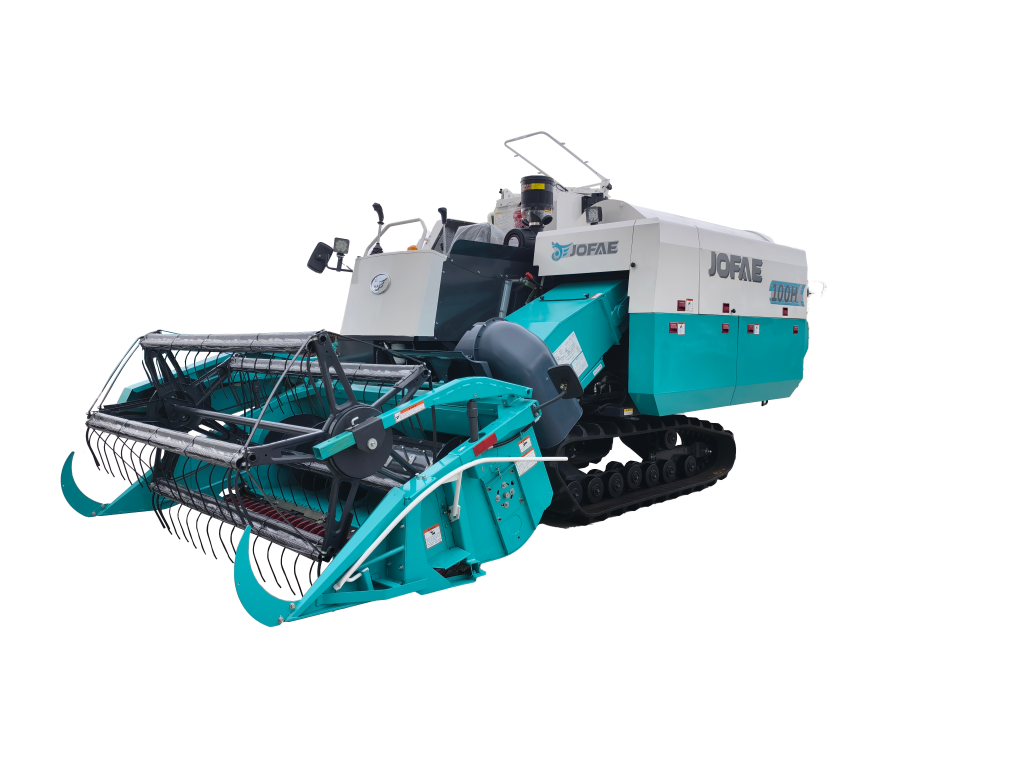
If you have ever wondered how to make a combine harvester, you are not alone. These giant machines—weighing up to 35 tons and powered by 600-horsepower engines—are among the most complex pieces of equipment in modern agriculture. A modern combine harvester can harvest up to 70 tons of grain in just one hour, enough to supply an entire city with fresh bread. These high-tech processing plants on wheels can do it all: reaping, cleaning, winnowing, and threshing—all at the same time.
But what goes into building such a machine? A combine harvester consists of nearly 20,000 individual parts. Manufacturing one requires precise engineering, advanced metallurgy, and a meticulously coordinated assembly process spanning over 30 different production stages. This article will take you behind the scenes to explore exactly how to make a combine harvester—from the fundamental design principles and core components to the step-by-step manufacturing process that brings these agricultural giants to life.
What Makes a Combine Harvester?
Before diving into the manufacturing process, it is essential to understand what a combine harvester actually is and what makes it so remarkable.
The term “combine” is short for “combination harvester”—a machine that combines three separate harvesting operations into a single pass: reaping (cutting the crop), threshing (separating grain from the stalk), and winnowing (cleaning the grain by removing chaff and debris). Historically, these tasks were performed by separate machines or by manual labor; the combine revolutionized agriculture by performing all three simultaneously as it moves across the field.
In design, the combine is essentially a binder-type cutting device that cuts and delivers the grain crop to a threshing machine modified to work as it moves across the field. A threshing cylinder rubs grain out of the heads against a concave surface. Some grain and chaff go with the straw to the straw deck, where grain is shaken out and delivered to the cleaning shoe, while other grain and chaff go directly to the cleaning shoe, where sieves and a blast of air separate and clean the grain. After passing through the air blast, the grain drops into a clean-grain auger that conveys it to an elevator and into a storage tank. Straw drops out of the back of the combine either in a windrow for baling or scattered over the ground by a spreader.
To truly understand how to make a combine harvester, one must first grasp the essential components that work together to perform this complex sequence of operations.
The Essential Components of a Combine Harvester
Modern combine harvesters are built around several major modules, each serving a critical function. Here are the core components that any manufacturing process must address:
Header (Cutting Platform)
The header is the part that cuts the plant close to the ground and moves the entire plant into the machine. It is designed to take the grain with a minimum of straw. Different headers are used for different crops—from wheat and barley to corn and soybeans. Spinning augers on the header move cut crops toward the center of the machine.
Feeder House (Inclined Conveyor)
The feeder house transports crop material from the header into the body of the combine. It serves as the critical link between the cutting platform and the threshing system. Even the smallest deviation in its alignment can affect harvest performance.
Threshing System
The threshing drum is often called “the heart of the combine harvester” —this is where the machine carries out its most important task: separating the seeds from all the residue that isn‘t needed. The drum rotates at high speed, using grooved steel bars to do what farmhands in the old days used to do with their flails—but on a vastly larger scale and at much greater speed. The threshing cylinder works against a concave surface to rub grain out of the crop heads.
Separation System
After threshing, the separation system separates grain from Material Other Than Grain (MOG). This typically involves straw walkers or separation rotors that shake the grain through perforations while conveying straw toward the rear of the machine.
Cleaning System
The cleaning system further cleans the separated grain using a combination of sieves and air. A cleaning fan blows air upward and rearward through oscillating sieves to discharge chaff and other debris. The cleaning system typically includes a grain pan, an upper sieve (chaffer sieve), a lower sieve (cleaning sieve), and a cleaning fan.
Grain Tank
The cleaned grain drops into a grain tank for temporary storage onboard the combine. From there, it is conveyed by elevator and discharged through an unloader into a grain cart or truck.
Power System
The engine provides the immense power required to drive the vehicle and all its systems. Modern combines are equipped with massive 16-liter engines producing 600 horsepower or more. The engine not only drives the vehicle but also powers a complex hydraulic network that operates many other components.
Cab (Operator’s Station)
The cab is not just a workstation—it is a high-tech control centre. Displays, controls, and camera technology are fully integrated here, with ergonomic design ensuring operator comfort during long harvesting days. The technology available to combine operators is comparable to what you would find in an airplane cockpit.
How to Make a Combine Harvester: The Manufacturing Process
Now that we understand the components, let‘s explore the actual manufacturing process. The journey of how to make a combine harvester begins with raw materials and progresses through multiple stages of fabrication, sub-assembly, and final assembly.
Raw Material Preparation
The manufacturing process starts with raw materials—primarily steel. Sheet steel is the main raw material used in manufacturing combines, along with round steel bars and hollow square steel channels. Complex subassemblies such as the engine and transmission are either built at other company plants or purchased from suppliers.
Before any assembly begins, all components must be submerged in a special chemical bath. This chemical treatment prepares the metal surfaces for painting. After the bath, components are sent to the paint shop, where they are spray-painted. At some factories, the painting process is completely automated, with all parts going through as many as fourteen stages from cleaning to painting.
In modern manufacturing facilities, advanced high-strength steels are increasingly used to reduce weight without compromising strength. Some manufacturers have reduced the weight of key steel components by 50 percent through the use of high-strength steel and innovative design. This not only improves fuel efficiency but also reduces the amount of welding required by nearly 70 percent.
Component Fabrication
Once materials are prepared, individual components are fabricated. Metal sheeting is cut, punched, and pressed into shapes. As steel moves down the assembly line, it is formed into the various parts that will make up the combine.
Many subassemblies are built on separate production lines. Major components such as the threshing unit, side walls, and various integrated parts are pre-assembled before reaching the final assembly line. This modular approach allows for efficient production and quality control at each stage.
Some manufacturers use a “fishbone” layout where sub-assembly lines feed into the main assembly line at right angles, delivering components directly to the appropriate station. This minimizes handling and ensures that parts arrive exactly when they are needed.
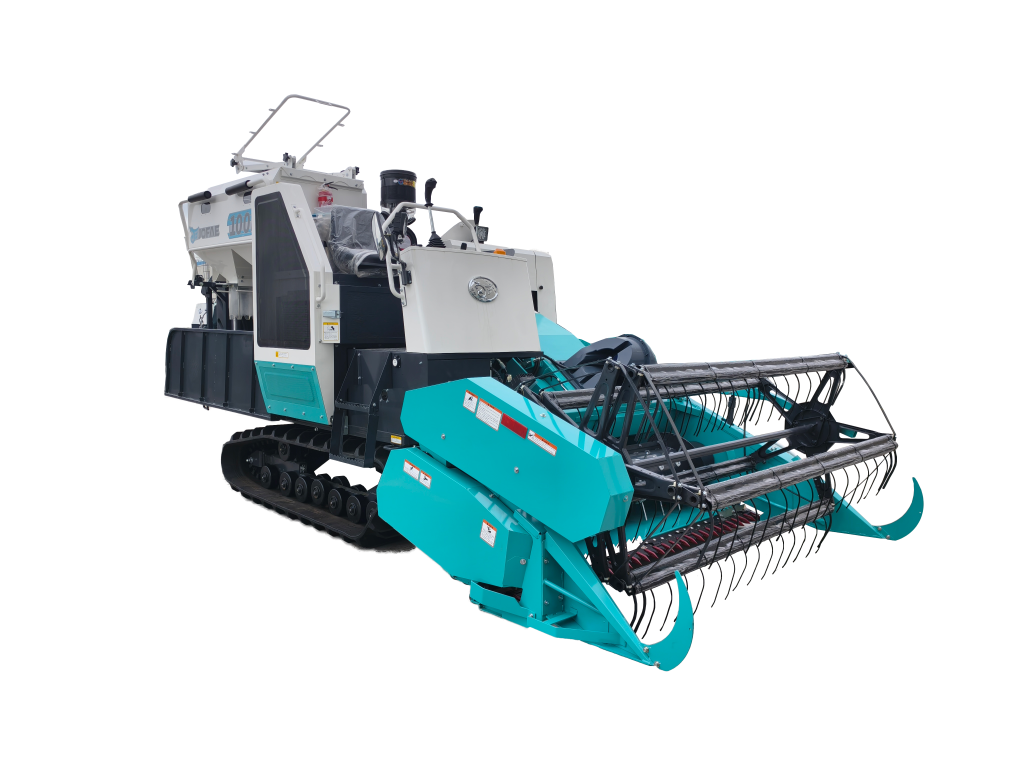
Final Assembly Process
The final assembly is where all the pieces come together. Here is a step-by-step look at how a combine harvester is assembled.
Step 1: The Body Comes from Pre-Production
The starting point for final assembly is a solid, welded frame—internally referred to simply as the “body”. The threshing unit has already been fitted, the side walls welded, and the first components integrated. The body is the foundation of the combine and comes directly from pre-production, including the paintwork. Every machine starts in the same way and is developed individually from this point onwards.
In some factories, the body travels along an assembly line totalling up to 12 kilometers in length. The first part to be completed is often the undercarriage—the section where the machine will later winnow the wheat by blowing pressurized air through it. As one production manager explains: “We build the combine from the inside out, or from the bottom up”.
Step 2: The “Marriage”
Two assembly lines converge at a designated point in the factory. On one line is the body; on the other is the grain tank that collects harvested grain. The two components meet at a precisely timed point and are connected. This moment is known as the “marriage”. From here, the combine begins to take on its final shape.
Step 3: On the Main Belt
The connected body shell is now placed on autonomous transport vehicles, known as dollies. These dollies drive the combine through the final assembly hall step by step. Station by station, the machine continues to grow—always under the watchful eyes of the assembly teams.
Various conveyors transport individual components, which have been prepared elsewhere, onto the main conveyor towards the final assembly of the machine. Every cycle is meticulously planned, yet flexibility is still required because no two machines are the same. Modern factories increasingly use automatic guided vehicles (AGVs), which have replaced traditional assembly lines to allow more flexibility in the manufacturing process.
Step 4: The Cab Is Assembled
The operator’s cab comes pre-assembled from specialized facilities. It is placed onto the machine body using special lifting devices. The cab is not just a workstation but a high-tech control centre: displays, controls, and camera technology are fully integrated here. Depending on the equipment, the interior fittings vary considerably—from the basic version to the fully automated premium cab.
Step 5: The Engine Is Installed
Depending on the model, the engine comes from various manufacturing plants. The powerful units are selected and assembled to order. The engine not only drives the vehicle but also supplies many other components via a complex hydraulic network. This requires maximum precision, as the combine will later be working under full load.
Step 6: Assembly of the Inclined Conveyor
The inclined conveyor is the link between the header (cutting platform) and the rest of the combine. It is precisely connected to the chassis, as it directly influences crop pick-up. Even the smallest deviations would affect harvest performance. For those interested in seeing a completed example of this critical component in action, the JF100H Full-feed Combine Harvester demonstrates how precise engineering of the feeding system translates into superior field performance.
Step 7: The Filling Station
At this station, all necessary operating fluids are filled: hydraulic oil, coolant, windscreen washer fluid—everything is dosed automatically. The systems are paired to the machine monitor, ensuring that exactly the right quantity is provided for each model. Modern sensor technology ensures real-time control and prevents incorrect filling.
Step 8: Commissioning
Now it gets loud: the machine is started for the first time. Among other things, the hydraulic systems, tightness, calibration, and mobility of the mechanical components are checked. This station requires experienced employees with a trained eye for the smallest irregularities. Even the littlest errors can lead to high downtime costs during harvest season.
Quality Inspection and Delivery
After commissioning, the completed combine undergoes final inspection. At some factories, the final inspection station is integrated directly into the assembly line. Workers check every system to ensure the machine meets quality standards before it is approved for shipment.
Once approved, the combine is loaded onto trucks or flat cars for delivery to customers all over the world. From the factory floor to the farmer‘s field, the journey of a combine harvester is complete—ready to harvest grain that will feed communities around the globe.
Conclusion
Understanding how to make a combine harvester reveals the extraordinary complexity behind these agricultural giants. From over 7,500 separate components assembled on a production line stretching 12 kilometers, through 30 different production stages, the manufacturing of a combine harvester is a testament to modern engineering.
The journey begins with raw steel, transformed through chemical treatment, painting, fabrication, and precision assembly. It continues through the carefully choreographed steps of final assembly—from the “marriage” of body and grain tank to the installation of the high-tech cab and the powerful engine. Each stage requires precision, expertise, and meticulous quality control.
The result is a machine that can harvest up to 70 tons of grain in a single hour—a technological powerhouse that has revolutionized agriculture and continues to evolve with advances in materials, automation, and precision farming. Whether you are a farmer, an engineer, or simply curious about how things are made, the story of how to make a combine harvester is a fascinating glimpse into the world of modern manufacturing.
FAQ
Q: What are the main parts of a combine harvester?
A: The main parts include the header (cutting platform), feeder house (inclined conveyor), threshing system (threshing drum and concave), separation system, cleaning system (sieves and fan), grain tank, power system (engine and hydraulics), and the operator’s cab.
Q: How long does it take to manufacture a combine harvester?
A: The complete manufacturing process involves over 30 production stages. While the exact time varies by model and factory, the assembly process is carefully coordinated with subassemblies prepared in advance and final assembly proceeding station by station.
Q: What materials are used to make a combine harvester?
A: The primary material is sheet steel, along with round steel bars and hollow square steel channels. Advanced high-strength steels are increasingly used to reduce weight. Complex subassemblies like engines and transmissions are sourced from specialized suppliers.
Q: How does a combine harvester work in the field?
A: The header cuts the crop and feeds it into the machine. The threshing drum separates grain from stalks. Sieves and a fan clean the grain by removing chaff. Clean grain is stored in the grain tank, while straw is expelled from the rear.