
If you have ever looked across a vast wheat field and wondered how all that grain gets harvested so quickly, the answer lies in one of agriculture’s most remarkable inventions: the combine harvester. But what is the function of a combine harvester exactly? And why has this machine become absolutely indispensable to modern farming?
To put it simply, a combine harvester—often just called a “combine”—is a machine that harvests grain crops. The name itself tells you a great deal about what is the function of a combine harvester: it combines multiple separate harvesting operations into a single, continuous process. Before the combine, farmers had to cut crops by hand, gather them, thresh them (separate the grain from the stalks), and then winnow them (separate the grain from the chaff). Each step required different tools, different machines, and a great deal of labor.
Today, a combine harvester does all of this in one pass across the field. Understanding what is the function of a combine harvester means understanding how this incredible machine has transformed agriculture—and how advanced full‑feed models are taking that transformation even further.
The Core Functions of a Combine Harvester
So, what is the function of a combine harvester when it is working in the field? The machine performs six essential operations, all integrated into one seamless workflow:
1. Cutting (Reaping)
The process begins at the front of the machine, where the header (or cutting platform) cuts the crop stalks close to the ground. Different headers are used for different crops—a grain header with a reel for wheat and rice, a corn header for maize, and so on. The header’s job is to gather the standing crop and feed it into the machine. This is the first and most visible answer to what is the function of a combine harvester: it cuts the crop so it can be processed.
2. Feeding
Once cut, the crop material is conveyed into the heart of the machine. The feeding system ensures a steady, controlled flow of material into the threshing mechanism. Without proper feeding, the entire operation would stall.
3. Threshing
Threshing is where the magic happens. The crop passes between a rotating cylinder and a concave surface, and the grain is knocked free from the heads or pods. This is one of the most critical answers to what is the function of a combine harvester—separating the valuable grain from the rest of the plant. Modern combines use advanced threshing systems to maximize grain separation while minimizing damage.
4. Separation
After threshing, the mixture of grain, straw, and chaff moves to the separation system. Here, rotating straw walkers or rotary separators shake the material, allowing the heavier grain to fall through while the lighter straw is carried toward the back of the machine. What is the function of a combine harvester at this stage? It is about efficiently separating the grain from the bulk of the plant material.
5. Cleaning
The separated grain still contains some chaff and other light impurities. The cleaning system uses a fan to blow air through the falling grain, removing the lighter material, while sieves further sort the grain by size. This ensures that only clean, high-quality grain ends up in the grain tank. When people ask what is combine harvester used for, the answer often focuses on cutting and threshing—but cleaning is just as vital to producing market-ready grain.
6. Collecting and Storage
Finally, the clean grain is elevated into the onboard grain tank for temporary storage. When the tank is full, the grain is unloaded via an auger into a trailing grain cart or truck. Meanwhile, the straw and chaff are expelled from the rear of the machine, either spread across the field or windowed for baling.
So, what is the function of a combine harvester in a single sentence? It is to take standing crops from the field and deliver clean, stored grain, all in one continuous operation.
What Is Combine Harvester Used For? Key Applications
Now that we understand what is the function of a combine harvester, it is worth asking: what is combine harvester used for in practical terms?
Combine harvesters are used to harvest a wide variety of grain and oilseed crops, including:
- Wheat – the most common crop harvested by combines worldwide
- Rice – particularly with specialized tracked or full-feed designs
- Corn (Maize) – using a corn-specific header
- Soybeans – with adjustable settings to handle the crop’s unique characteristics
- Barley, Oats, and Rye – small grains harvested much like wheat
- Canola (Rapeseed) and Sunflowers – oilseeds that require careful handling
In regions where rice is the dominant crop, full-feed combine harvesters are especially popular. The “full‑feed” design means that the entire crop plant—stalks and heads alike—is fed into the threshing unit, ensuring minimal grain loss and high threshing efficiency. This makes full‑feed combines an excellent choice for farmers who need reliable performance in paddy fields and other challenging conditions.
Beyond these staple crops, modern combines can also be adapted for specialty crops like millet, sorghum, and even some pulse crops. The versatility of these machines is a big part of why they have become so widely adopted.
Combine Harvester vs. Harvester: What’s the Difference?
A common question that arises when discussing what is the function of a combine harvester is: what‘s the difference between a combine and a harvester?
The term “harvester” is a broad category that includes any machine used to harvest crops. A simple harvester might only cut the crop and lay it in rows (a swather or windrower). Another type of harvester might only thresh the grain after it has been cut and gathered by other means. These are single-function machines.
A combine harvester, by contrast, is a multi-function machine. It combines cutting, threshing, separating, cleaning, and collecting into one operation. The word “combine” in its name reflects this integration. When someone asks what is combine harvester used for, the answer encompasses everything that a simple harvester does—and much more.
Think of it this way: a “harvester” might be a specialized tool for one job, while a “combine harvester” is the all-in-one solution that handles the entire harvest process from start to finish. Advanced full‑feed models exemplify this all‑in‑one capability, delivering complete harvest solutions in a single pass across the field.
Why Are Combine Harvesters Becoming So Powerful?
Anyone who follows agricultural machinery has noticed a clear trend: combines keep getting bigger, more powerful, and more technologically advanced. So, why are combine harvesters becoming so powerful? Several factors are driving this evolution.
1. Increasing Engine Power
Modern combine harvesters are equipped with engines that would have been unthinkable a generation ago. Some of the largest models now exceed 600 horsepower, with certain hybrid designs pushing past 775 horsepower. More power means the machine can move faster through the field, handle heavier and denser crops, and cover more acres in less time. While not all combines are in the ultra‑high‑horsepower class, the trend toward robust, efficient power makes modern farming possible.
2. Hybrid and Electric Drive Technologies
The industry is moving toward hybrid powertrains, where a diesel engine drives a generator that powers electric motors for various functions. This approach reduces mechanical complexity, improves fuel efficiency, and allows for more precise control of each subsystem. China has recently developed hybrid combine models with maximum power exceeding 600 horsepower, signaling where the industry is heading.
3. Automation and Intelligence
Perhaps the most exciting development is the integration of smart technology. Today’s combines are equipped with:
- GPS guidance and auto-steer – for precise field navigation
- Yield monitoring – to map productivity across the field
- Automated settings adjustment – sensors detect crop conditions and adjust threshing and cleaning parameters in real time
- Beidou positioning and operation monitoring – now standard on many Chinese-made combines
These technologies can boost productivity by 20% to 30% while reducing grain loss and improving grain quality. Many modern full‑feed harvesters incorporate these advancements, making them a smart choice for farmers who want to stay competitive.
4. Labor Shortages and Cost Pressures
The fundamental driver behind more powerful combines is simple economics. Farm labor is becoming scarce and expensive around the world. Studies have shown that combine harvesters can save over 90% of labor costs compared to traditional manual harvesting and subsequent threshing. A more powerful machine means fewer operators, a shorter harvest window, and better profitability. When farmers ask what is combine harvester used for in today’s context, the answer increasingly includes “solving the labor problem.”
5. The Need to Reduce Grain Loss
Manual harvesting typically results in grain loss rates of 15% or more. Modern combine harvesters can reduce that to under 1%. This dramatic reduction in waste is another reason why combines are becoming more powerful and more sophisticated. Every percentage point of grain saved is food that can feed more people and profit that stays in the farmer’s pocket.
The Full-Feed Advantage: Why It Matters
When discussing what is the function of a combine harvester, it is important to understand the different types of feeding systems. The two main categories are full-feed and partial-feed (or head-feed) combines.
In a full-feed combine, the entire crop plant—both the grain heads and the stalks—is fed into the threshing mechanism. This approach offers several advantages:
- Higher throughput – more material can be processed per unit of time
- Better threshing – the full plant provides more friction and action in the threshing unit
- Lower grain loss – because all the grain-bearing parts are processed
- Simpler operation – less need to orient the crop before feeding
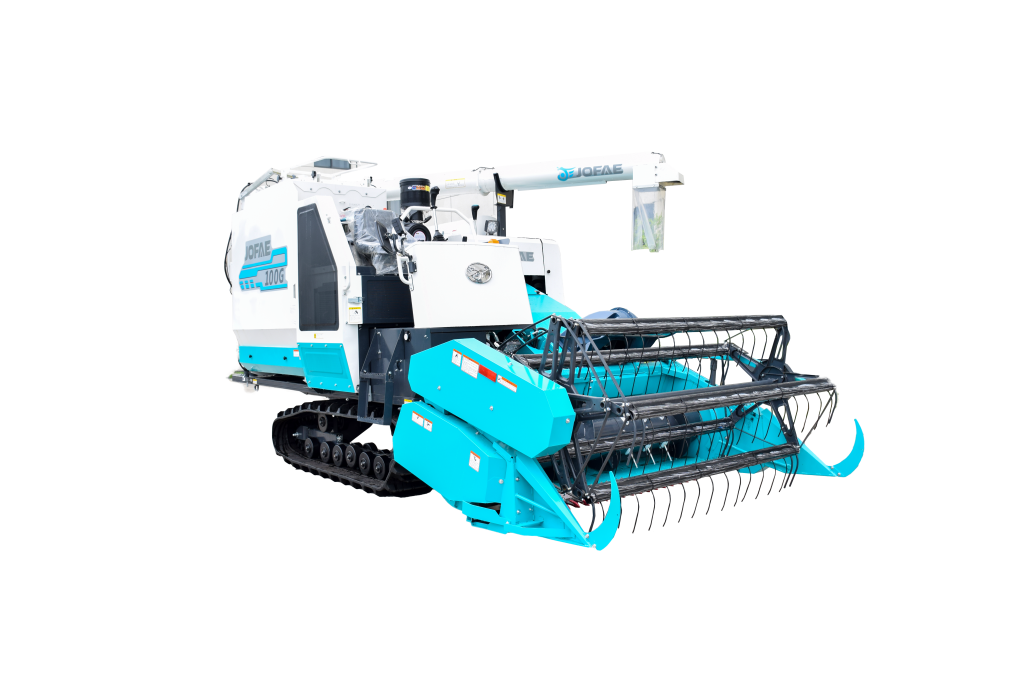
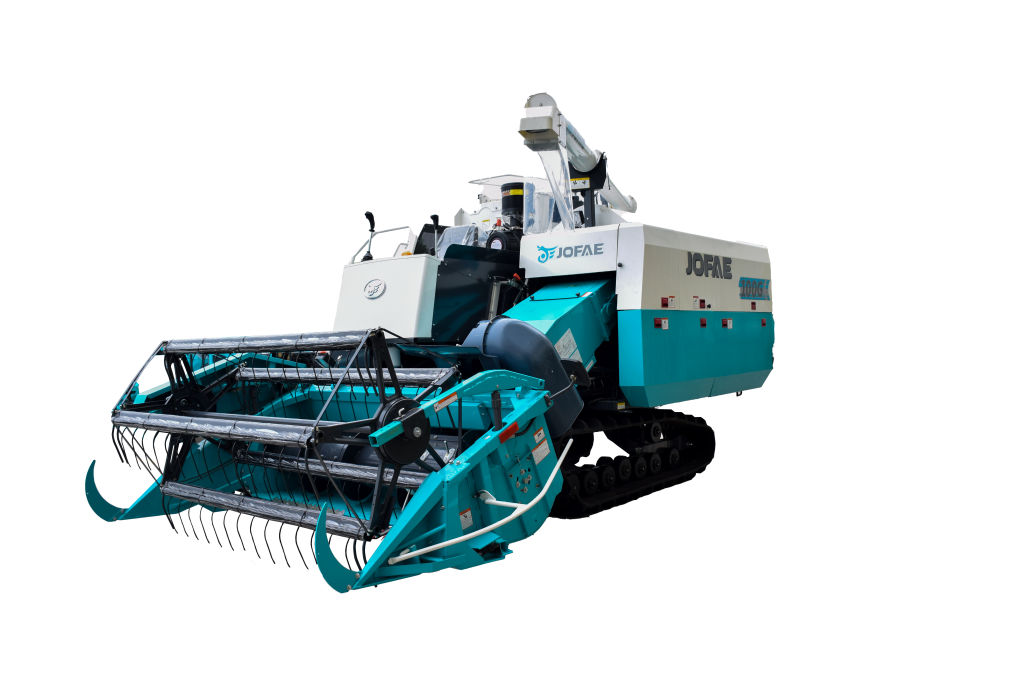
A representative of this category is the JF100G Full-feed Combine Harvester, which is designed around this principle. It takes the entire plant, threshes it thoroughly, and delivers clean grain with minimal loss. For rice farmers in particular, the full‑feed design is often the preferred choice because rice plants are relatively tall and have grain distributed along the panicle.
Full-feed combines have become increasingly dominant in the rice-growing regions of Asia, and reliable full‑feed machines are winning farmers‘ trust through efficiency and smart technology.
Conclusion: The Indispensable Machine
So, what is the function of a combine harvester? It is to harvest—but that simple word barely scratches the surface. A combine harvester cuts, feeds, threshes, separates, cleans, and collects. It transforms a field of standing grain into a tank full of clean, market-ready product in a single pass. It saves labor, reduces loss, and makes modern large-scale agriculture possible.
When people ask what is combine harvester used for, the answer is as broad as agriculture itself: it is used to feed the world. From wheat in the American Midwest to rice in the paddies of Southeast Asia, combine harvesters are the machines that bring the harvest home.
And for farmers looking for a reliable, efficient, and technologically capable machine, full‑feed combine harvesters offer a compelling solution. Built around the proven full‑feed principle, equipped with modern automation, and designed to handle the toughest field conditions, they represent everything that what is the function of a combine harvester should be: a complete harvest solution in one powerful package.
Whether you are a large commercial farmer or a smaller operation looking to upgrade, understanding what is the function of a combine harvester is the first step toward making a smarter investment in your farm’s future. A machine like the JF100G Full-feed Combine Harvester is ready to help you take that step.