
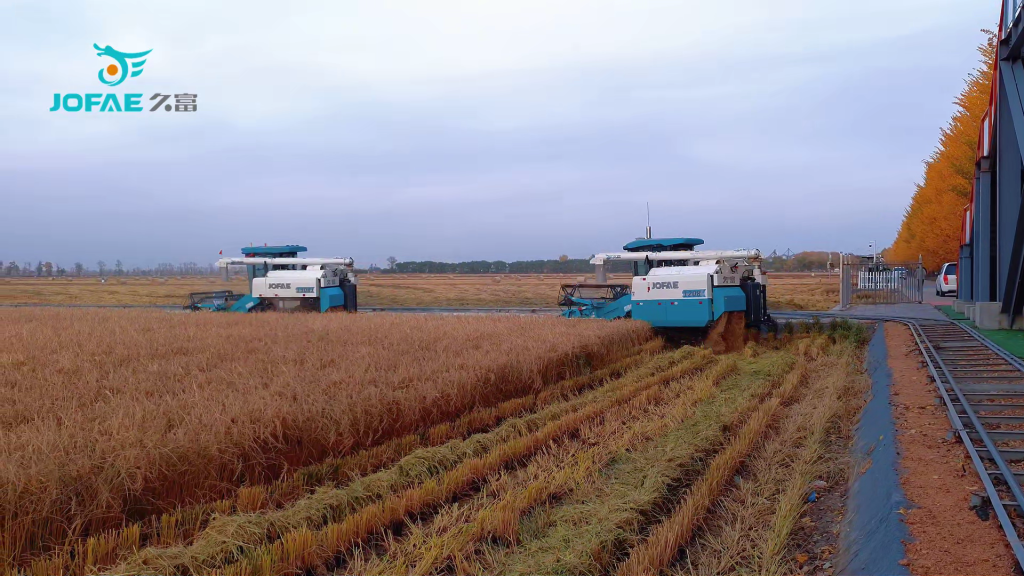
If you’ve ever asked yourself what‘s the difference between a combine and a harvester, you’re not alone. These two terms are often used interchangeably in everyday conversation—but in the world of agriculture, they mean very different things. Understanding the distinction isn‘t just a matter of semantics; it can help farmers, agricultural students, and equipment buyers make more informed decisions when investing in farm machinery.
The short answer is this: a harvester is a broad category of machines used for gathering crops, while a combine (short for combine harvester) is a specific type of harvester that combines multiple harvesting operations into one. In other words, all combines are harvesters, but not all harvesters are combines.
In this article, we’ll break down the definitions, compare their functions, explore the different types of harvesters, and help you understand which machine is right for your needs. Let‘s dive in.
What Is a Harvester?
A harvester is any machine designed to gather mature crops from the field. The term is a broad umbrella that covers a wide range of agricultural equipment, from simple manual tools to complex motorized machines.
Historically, harvesting was done by hand using sickles and scythes. As agriculture industrialized, mechanical harvesters were developed to replace manual labor, dramatically increasing efficiency and reducing the number of workers needed in the field.
Today, the term “harvester” encompasses many different types of machines, each tailored to specific crops and harvesting conditions. Some common examples include:
- Grain harvesters – for wheat, rice, corn, and other cereals
- Forage harvesters – for cutting and chopping silage crops like grass and whole-plant corn
- Cotton harvesters (cotton pickers/strippers) – for picking cotton bolls
- Sugarcane harvesters – for cutting and stripping sugarcane stalks
- Potato harvesters – for digging and collecting potatoes
- Grape harvesters – for mechanical grape picking in vineyards
The key takeaway is that a harvester can be any machine that performs the act of harvesting—whether it only cuts the crop, or performs additional processing steps.
What Is a Combine?
A combine—formally known as a combine harvester—is a highly specialized type of harvester that integrates three essential harvesting operations into a single machine: reaping (cutting), threshing (separating grain from the plant), and winnowing (cleaning the grain).
The name “combine” comes from the fact that it combines these multiple processes—which historically required separate machines or manual labor—into one seamless operation. This innovation revolutionized agriculture and remains one of the most important labor-saving inventions in farming history.
How a Combine Works
A typical combine harvester operates through a continuous flow of processes:
- Cutting (Reaping) – The header at the front of the machine cuts the crop at the base
- Conveying – The cut crop is fed into the threshing mechanism
- Threshing – The grain is separated from the stalks and seed heads
- Separating – Grain is further separated from straw and chaff
- Cleaning (Winnowing) – Fans blow away lightweight chaff and debris
- Grain storage – Clean grain is collected in an onboard grain tank
- Straw discharge – The remaining straw is expelled from the rear of the machine
All of this happens in a single pass across the field, which is why combines are so efficient. Depending on the model and field conditions, a modern combine can harvest hundreds of acres per day.
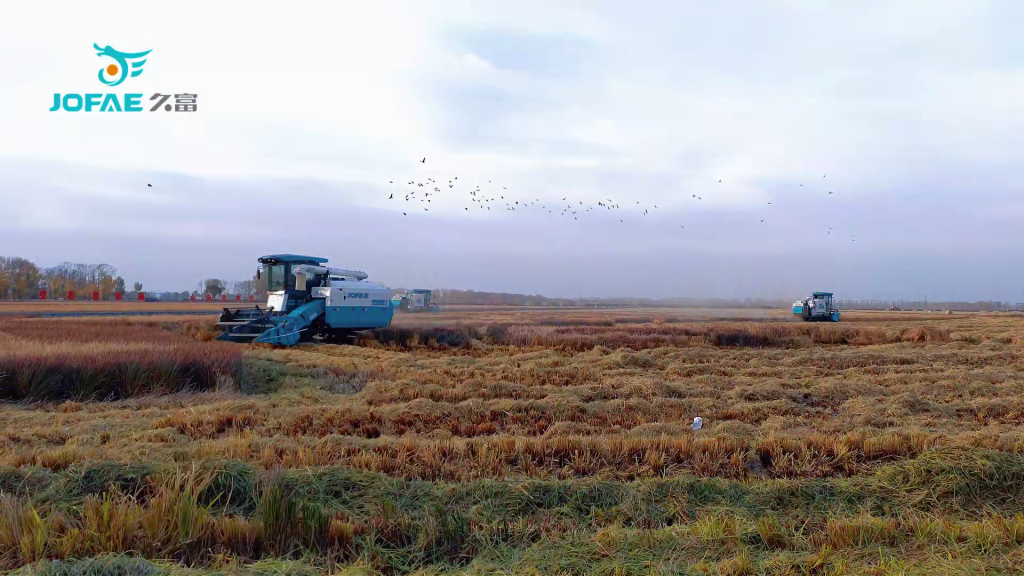
Full-Feed Combines: A Specialized Category
Within the combine category, there are different feeding mechanisms. One important distinction is between full-feed and half-feed combines.
A full-feed combine harvester—also known as a whole-culm feeding type—feeds the entire crop plant (including stalks and heads) into the threshing unit. This design ensures minimal grain loss and high threshing efficiency. Full-feed combines offer excellent threshing performance, though they may not be ideal for harvesting lodged (fallen) rice.
In contrast, half-feed combines cut only the crop heads and feed them into the thresher while leaving the stalks standing. Half-feed models can handle lodged crops better and produce cleaner straw, but their threshing efficiency is generally lower.
Modern full-feed combines are widely used for harvesting rice, wheat, maize, barley, and other cereals. For farmers seeking a reliable full-feed solution, the JF100G Full-feed Combine Harvester represents a modern option designed to deliver high efficiency and minimal grain loss across multiple crop types.
Core Differences Between a Combine and a Harvester
Now that we‘ve defined both terms, let’s directly answer what‘s the difference between a combine and a harvester with a clear comparison.
| Aspect | Harvester | Combine (Combine Harvester) |
| Definition | A broad category of machines used for gathering crops | A specific type of harvester that combines reaping, threshing, and cleaning |
| Function | Performs one or a few harvesting tasks | Performs multiple operations in a single pass |
| Workflow | May require multiple machines or passes to complete harvesting | Completes the entire harvesting process in one pass |
| Crop Types | Wide variety: grains, forage, cotton, sugarcane, potatoes, grapes, etc. | Primarily grain crops: wheat, rice, corn, barley, soybeans, canola, etc. |
| Complexity | Ranges from simple to moderately complex | Highly complex, with thousands of moving parts |
| Output | May produce cut crop, chopped material, or gathered product | Produces clean, threshed grain ready for storage or transport |
| Examples | Forage harvester, cotton picker, sugarcane harvester, potato harvester | John Deere S-series, Case IH Axial-Flow, JF100G Full-feed Combine Harvester |
To put it simply: every combine is a harvester, but not every harvester is a combine. If a machine only cuts hay and leaves it in the field, it‘s a harvester but not a combine. If a machine cuts wheat, threshes the grain, cleans it, and stores it in a tank—all in one go—it’s a combine.
Combine vs Traditional Harvesting Methods
To fully appreciate what a combine does, it helps to compare it with traditional harvesting methods.
Traditional Manual Harvesting
Before mechanization, harvesting grain was a multi-step, labor-intensive process:
- Cutting – Workers used scythes or sickles to cut the crop by hand
- Gathering – Cut stalks were gathered into bundles (sheaves)
- Threshing – Grain was separated from the stalks by beating, treading, or using flails
- Winnowing – Chaff was separated from grain by tossing it in the air so the wind could blow away the lighter material
This process required dozens of workers and could take weeks to complete even a modest-sized farm.
Semi-Mechanized Harvesting
With the advent of machinery, some steps were mechanized while others remained manual:
- A mechanical reaper cut the crop, but workers still had to bind and stack it
- A stationary threshing machine separated grain from stalks, but required transporting cut crop to the machine
- A winnowing fan helped separate chaff, but still required manual feeding
This approach reduced labor but still involved multiple machines and multiple passes across the field.
The Combine Advantage
The combine harvester revolutionized this process by eliminating the need for separate steps:
| Metric | Traditional Manual | Combine Harvester |
| Labor required | Dozens of workers | 1-2 operators |
| Time per acre | Days | Minutes |
| Field capacity | ~0.005 ha/hour/person | Up to 200 acres/day |
| Grain loss | Higher (manual handling losses) | Lower (direct collection) |
| Weather dependency | High (multiple days exposed) | Lower (faster harvest) |
The efficiency gains are staggering. A single combine can do the work of hundreds of manual laborers in a fraction of the time, which is why combines have become the backbone of modern grain farming.
Other Common Types of Harvesters
To further clarify what‘s the difference between a combine and a harvester, it‘s helpful to look at other types of harvesters that are not combines. Each is designed for specific crops and conditions.
Forage Harvester
A forage harvester (also called a silage harvester) is used to harvest crops for animal feed. Unlike a combine, which separates grain from straw and discards the straw, a forage harvester cuts the entire plant and chops it into small pieces for silage or haylage.
Key differences from a combine:
- Processes the whole plant, not just the grain
- Produces chopped forage rather than clean grain
- Used primarily for corn silage, grass, alfalfa, and other fodder crops
So when someone asks what is the difference between a combine harvester and a forage harvester, the answer is straightforward: a combine harvests grain; a forage harvester harvests the entire plant for animal feed.
Cotton Harvester (Cotton Picker/Stripper)
Cotton harvesters are specifically designed for picking cotton bolls from the plant. They do not thresh or clean grain—they simply collect the cotton fiber.
Sugarcane Harvester
Sugarcane harvesters cut sugarcane stalks at the base, strip the leaves, and cut the stalks into billets. They don‘t perform grain threshing or cleaning.
Potato Harvester
Potato harvesters dig potatoes from the soil, separate them from dirt and vines, and collect them in a hopper. This is a completely different process from grain harvesting.
The Different Types of Harvesters: A Summary
| Type of Harvester | Primary Crop | Is It a Combine? |
| Grain combine harvester | Wheat, rice, corn, soybeans | ✅ Yes |
| Forage harvester | Silage corn, grass, alfalfa | ❌ No |
| Cotton harvester | Cotton | ❌ No |
| Sugarcane harvester | Sugarcane | ❌ No |
| Potato harvester | Potatoes | ❌ No |
| Grape harvester | Grapes | ❌ No |
Understanding the different types of harvesters helps clarify why “harvester” is such a broad term—and why a combine is just one specific type within that larger family.
Which One Do You Need?
Choosing between a combine and another type of harvester depends entirely on what crop you‘re growing and how you plan to use the harvested material.
When to Choose a Combine
A combine is the right choice if you are:
- Growing grain crops like wheat, rice, corn, barley, soybeans, or canola
- Operating a farm of significant size where efficiency matters
- Looking to minimize labor costs and complete harvest quickly
- Planning to store or sell clean grain
Modern combines come in various sizes and configurations. For farmers looking for a reliable full-feed model, the JF100G Full-feed Combine Harvester offers efficient grain harvesting with minimal loss, suitable for multiple crop types including rice and wheat.
When to Choose Other Types of Harvesters
You may need a different type of harvester if you are:
- Growing forage crops for silage (choose a forage harvester)
- Growing cotton (choose a cotton picker or stripper)
- Growing sugarcane (choose a sugarcane harvester)
- Growing potatoes (choose a potato harvester)
- Operating a small farm where a full combine isn‘t cost-effective
Cost Considerations
Combine harvesters represent a significant investment. New models can range from tens of thousands to over a million dollars, depending on size, features, and brand. However, for large-scale grain farming, the investment pays for itself through dramatically reduced labor costs and faster harvest times.
Other types of harvesters are generally less expensive but also less versatile—they are designed for specific crops and cannot be used for grain harvesting.
Summary and Key Takeaways
Let’s recap the answer to what is the difference between a combine and a harvester:
| Point | Summary |
| Harvester | A broad term for any machine that gathers crops from the field |
| Combine | A specific type of harvester that combines reaping, threshing, and cleaning in one machine |
| Relationship | All combines are harvesters; not all harvesters are combines |
| Function | Combines produce clean grain; other harvesters produce different outputs (forage, cotton, potatoes, etc.) |
| Efficiency | Combines are among the most efficient labor-saving machines in agriculture |
The distinction matters because it helps you choose the right equipment for your specific farming needs. If you‘re growing grain on a commercial scale, a combine—particularly a full-feed model like the JF100G Full-feed Combine Harvester—is likely your best bet. If you’re growing other crops or operating on a smaller scale, a different type of harvester may be more appropriate.
We hope this guide has clarified what‘s the difference between a combine and a harvester once and for all. Whether you’re a farmer, a student, or simply curious about agricultural machinery, understanding these terms is the first step toward making smarter decisions in the field.
Frequently Asked Questions
Q: Can a combine harvest all types of crops?
A: No. Combines are designed primarily for grain crops like wheat, rice, corn, barley, soybeans, and canola. They cannot harvest forage, cotton, sugarcane, or root crops.
Q: Is a combine more expensive than other harvesters?
A: Generally, yes. Combines are highly complex machines with thousands of components, making them more expensive than most single-purpose harvesters.
Q: What does “full-feed” mean on a combine?
A: A full-feed combine feeds the entire crop plant (stalks and heads) into the threshing unit, which ensures high threshing efficiency and minimal grain loss.
Q: Can a combine be used for organic farming?
A: Yes, combines can be used in organic farming as long as they are not contaminated with non-organic residues and are properly cleaned between uses.
Q: What is the difference between a combine harvester and a forage harvester?
A: A combine harvester harvests grain and separates it from the plant, while a forage harvester cuts the entire plant and chops it for animal feed. They serve completely different purposes.